

Table of Contents
A Diaper Dilemma or a Demographic Warning
In Japan adult diapers now sell more than baby diapers. It may look like a small fact but it shows how fast their older population has grown. When I look at the India aging population I see a similar journey beginning here.
Kerala is already showing this pattern. For the first time the state has more people above sixty than children below fifteen. The median age is now 36.3 years which is higher than China.
What we see in Kerala is only the start. The same shift will reach the rest of India soon and the main question is simple. Are we ready for this change
India’s Aging Population: A Rapid Quiet Transformation
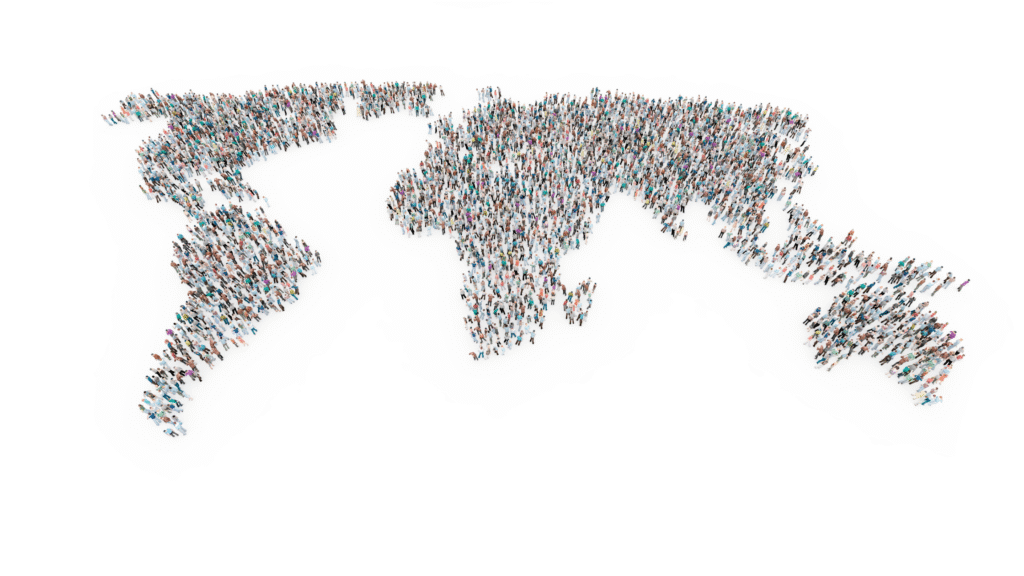
By 2050 almost one in five Indians will be above sixty. That is more than 300 million older adults which is more than the population of many countries.
Understanding the India aging population helps us prepare for the future in a practical way. As we see the trend grow, we must think about it while planning our healthcare system, our cities and our support structures.
The India aging population also brings new challenges that cannot be ignored. The concerns are growing fast and we need action now.
Addressing the challenges posed by the India aging population is crucial for sustainable development.
Still eldercare is not seen as a priority in India. Our healthcare support is not made for large scale senior care. Many public places are not friendly for older people. Families also avoid talking about the emotional and financial pressure that comes with aging.
The truth is clear. India is aging at a much faster rate than expected.
The Hidden Costs of an Aging Nation
Overburdened Healthcare Systems

As people live longer, they experience more long-term health issues. India is already facing a rise in chronic diseases like diabetes hypertension and arthritis. Many seniors also suffer from memory issues like Alzheimer’s and dementia. More frequent hospital visits and long-term care have become common.
We do not have enough trained geriatric doctors, home care options, or mental health services for older people. This creates pressure on hospitals as well as on families who take on caregiving without support.
You can watch my video on India as a medicine dumping yard to learn more.

Emotional and Social Isolation
With fewer working-age individuals supporting more retirees, the economic implications are significant:
- Increased financial pressure on the younger generation
- Decline in overall workforce productivity
- Greater demand for pension and social security support
Without structural support systems in place, this dynamic will push many middle-class families into emotional and economic burnout.
For emotional resilience in aging, spiritual and mental balance plays a key role. Watch this insightful discussion on path to peace.
The Opportunity in the Crisis: How India Can Respond
Promote Elder-Friendly Innovation

India’s growing tech sector has an opportunity to pioneer products and services for the elderly. These include:
- Smart home monitoring and safety devices
- Mobile health apps and telemedicine designed for older users
- Assistive devices that aid mobility and independence
There is a large, underserved market for eldercare technology and it’s time to invest in it.
Build Community Support Systems
Beyond technology, human connection matters. India needs:
- Community centers and day-care facilities for seniors
- Trained eldercare workers to provide in-home support
- Mental health programs focused on geriatric well-being
These initiatives can be public or private, but they must be prioritized and scaled.
Redefine Family and Social Responsibility
Traditionally, caring for aging parents has been seen as a family duty. While that sentiment is noble, it is no longer practical on its own. Urban migration, financial strain, and lifestyle changes mean families need external support.

Get an Extra 10% Off – Fill out the Form Below!
Policy Recommendations
Eldercare should be seen not just as a personal duty but as a public health priority. Government policies must reflect this shift by:
- Expanding healthcare coverage for seniors
- Incentivizing eldercare startups
- Designing elder-friendly cities and transportation systems
What We Do Now Will Define Our Future
Aging is inevitable. Ignoring it is not.
As India’s population grows older, the need to build a compassionate, prepared, and inclusive society becomes more urgent than ever. Elders are not burdens. They are our history, our wisdom, and a reflection of the lives we hope to live ourselves one day.
How we care for them today is how we will be cared for tomorrow.
Call to Action
- Speak openly about aging with your family
- Support and advocate for better eldercare services
- Encourage innovation and investment in senior health and wellness
- Demand policy reforms that protect and empower the elderly
India’s aging population is not a crisis. It is a call to adapt, evolve and lead with empathy.
FAQs
Why is India’s aging population a concern?
India’s aging population poses challenges for healthcare infrastructure, economic productivity, and family structures. As the elderly population grows, there is increasing pressure on medical services, caregiving resources, and social support systems.
What are the main problems faced by the elderly in India?
The elderly in India often face health issues like chronic diseases, limited access to geriatric care, emotional isolation, financial insecurity, and lack of elder-friendly infrastructure.
Which Indian state has the highest aging population?
Kerala currently has the highest proportion of elderly citizens in India, with more people over 60 than those under 15. Its median age has crossed 36 years, indicating an advanced demographic shift.
How is aging population affecting India’s economy?
An aging population reduces the workforce participation rate and increases dependency ratios. It also raises healthcare costs and pension liabilities, which can affect economic growth and family incomes.
What role can technology play in eldercare in India?
Technology can offer solutions like remote health monitoring, emergency alert systems, medication reminders, telemedicine access, and assistive mobility devices — making life safer and more independent for senior citizens.
Is there a national policy for elderly care in India?
Yes, the National Policy for Older Persons (1999) exists, but experts believe it needs urgent revision and stronger implementation to meet current demographic realities. Many are advocating for a more modern and actionable eldercare framework.
How can families prepare for aging within the household?
Families can prepare by planning for long-term healthcare, discussing emotional needs, setting up legal/financial support systems, and staying informed about eldercare resources in their area.

🎯 10+ years of Experience
🎓 10k+ Trained ( 📍 Jaipur )
💪 Helping change people’s lives
🌿 Most trusted lifestyle counselor