


Table of Contents
Nowadays I hear one question again and again. I frequently encounter this question during my clinic visits. This question frequently arises in online health discussions. Even casual messages from people who follow my work frequently raise this question.
Many people ask me, What is Ozempic?”
“Is Ozempic for weight loss safe?”
“Can Ozempic really help with weight loss?”
Many of my visitors are curious because they see celebrities and social media posts talking about rapid weight loss using injections. Ozempic is one such name that keeps coming up.
So let us first understand what Ozempic really is.
What is Ozempic and Why is everyone talking about it
Ozempic is a prescription medicine that contains semaglutide. Semaglutide is a type of medicine known as a GLP-1 receptor agonist. In simple terms, it works like a natural hormone in the gut that helps control blood sugar and appetite.
Ozempic was first approved in the United States in 2017 for managing type 2 diabetes. It has also been approved in India for adults with type 2 diabetes and was launched here in 2025. It comes as a once-weekly injection and can only be used with a doctor’s prescription.
Although Ozempic was developed for diabetes, many people noticed that it also led to weight loss when used along with diet and lifestyle changes. This happens because Ozempic helps reduce hunger and keeps people feeling full for a longer time.
That is why it slowly became part of both health and weight loss conversations even though weight loss was not its original purpose.
As a clinical dietitian, I believe it is important to explain Ozempic in a simple and honest way. It should not be considered a quick fix or a miracle solution. It is a medicine with specific uses, benefits and limits.
Once you understand how it works, you can decide whether it is something worth considering or not.
How does Ozempic work in the body
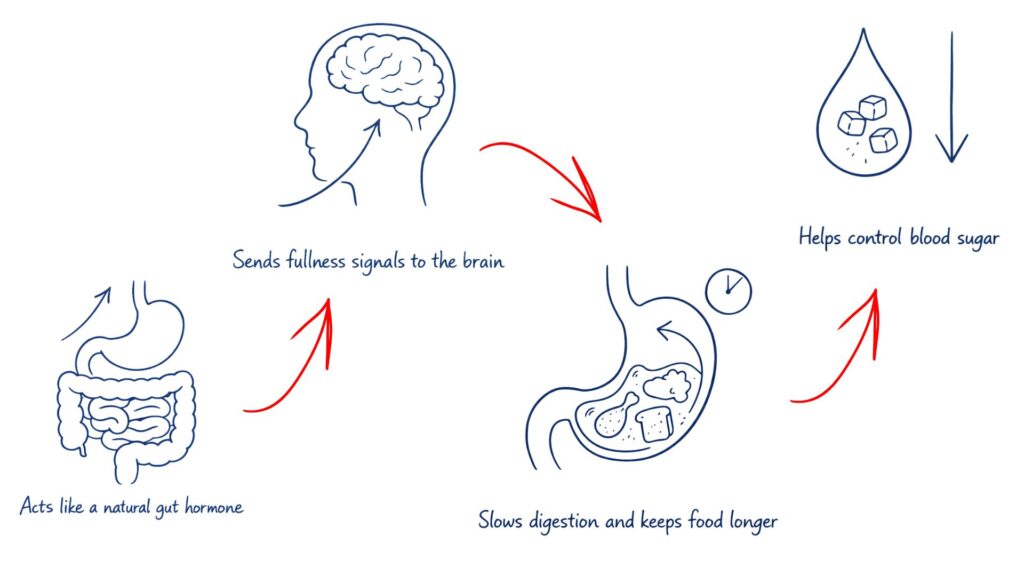
To understand why Ozempic affects weight, we need to look at how it works inside the body.
According to Healthline, Ozempic works by copying the action of a natural hormone that is already present in our gut. This hormone helps control blood sugar levels and appetite. When an Ozempic injection is used, it sends signals to the brain that reduce hunger. It also slows down how fast food leaves the stomach.
Because of this, people feel full sooner and stay full for a longer time after eating. As a result, overall food intake may reduce, even passively.
Healthline also explains that Ozempic helps the body release insulin when blood sugar levels rise after meals. This effect is useful for people with type 2 diabetes. At the same time, it reduces the amount of sugar released by the liver into the bloodstream, which helps improve blood sugar control.
From a clinical dietitian’s perspective, this point is important. Ozempic does not burn fat directly. It mainly works by changing appetite signals and digestion speed. Weight changes happen because food intake reduces over time, not because the body suddenly starts losing fat on its own.
This is why food quality, adequate protein intake and muscle-supporting habits still matter even when someone is using Ozempic.
Why weight loss happens with Ozempic
Weight loss with Ozempic happens because it affects appetite and digestion. By slowing how fast your stomach empties and making you feel full sooner, you tend to eat less. When calorie intake is lower than energy use over time, your body begins to lose weight. Some clinical observations show people with type 2 diabetes lost weight when using Ozempic along with counseling on diet and lifestyle. In these studies, the medication was combined with a structured plan rather than used alone.
From a clinical dietitian’s perspective, this distinction is very important. Ozempic does not cause weight loss by burning fat directly. It supports weight loss by changing hunger signals and eating patterns. A medicine may help reduce appetite but without healthy food choices, adequate protein intake and regular movement, the results may not last for long. Sustainable weight loss still depends on daily habits, not only on medication.
People also discuss Ozempic because it may support blood sugar control and reduce certain health risks in people with diabetes. Studies have shown benefits like lower risk of some heart events and slower worsening of kidney disease in adults with diabetes. These benefits are mainly seen in people who already have diabetes. For people without diabetes but with obesity, the same hormone effect may reduce hunger and support weight loss when guided carefully. This is why clear understanding and professional guidance matter before viewing Ozempic as a weight loss solution.
Get an Extra 10% Off – Fill out the Form Below!

Ozempic side effects people should know
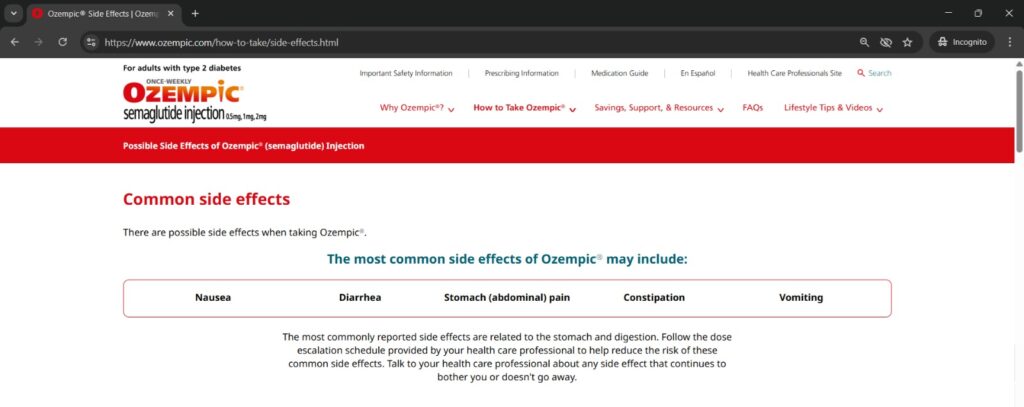
Like any prescription medicine, Ozempic can also have side effects. According to the official Ozempic website, some people using this medicine have reported digestive-related issues. These may include nausea, diarrhea, stomach pain, constipation and vomiting. Not everyone experiences these effects and their intensity can differ from person to person.
Most of these side effects are commonly noticed in the early phase of use when the body is adjusting to the medicine. For many people these symptoms may reduce over time. However if discomfort continues or affects daily life, it is important to speak with a healthcare professional instead of ignoring it.
As a clinical dietitian, I always advise people to understand possible side effects before considering any medication. Being aware helps you make informed choices and avoid unrealistic expectations. Medicines like Ozempic are meant to support health under proper guidance, not to replace balanced eating habits and a healthy lifestyle.
Ozempic cost in India and access reality
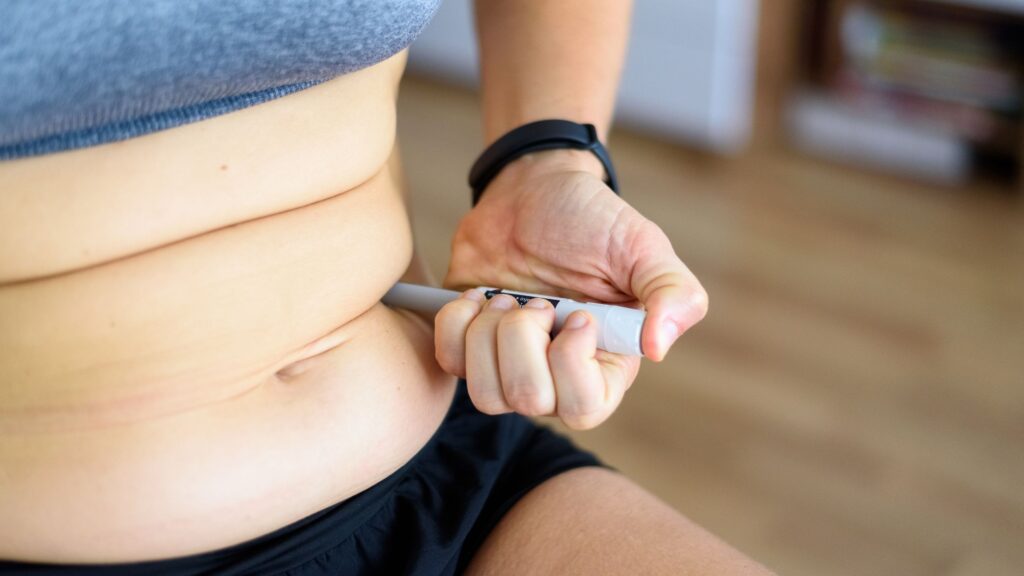
In India, Ozempic has recently been launched and prices vary based on the strength of the pen. Official reports mention prices like around ₹8,800 per month (for the lowest weekly dose pen), with higher doses costing slightly more per month. These figures include only the medicine and not doctor visits or follow-ups.
In December 2025, Novo Nordisk officially launched Ozempic injections in India with the following price structure:
- 0.25 mg pen: Rs 8,800 (Rs 2,200 per week)
- 0.5 mg pen: Rs 10,170 (Rs 2,542 per week)
- 1 mg pen: Rs 11,175 (Rs 2,793 per week)
It is important to know that Ozempic is prescription only in India. You cannot buy it without a doctor’s prescription. Only a qualified healthcare professional can decide whether it is suitable.

What happens after stopping Ozempic
I often ask this question during health talks to understand real-life experiences.

When people use medicines that affect appetite, it becomes even more important to protect muscle health, hydration and daily movement. Without this balance, weight loss may come from muscle loss instead of healthy fat loss. This is why diet and activity habits matter both during and after using Ozempic.
As a clinical dietitian, I focus on four simple areas. First is protein intake to support muscles, especially when appetite is low. Second is choosing slow-digesting foods and healthy fats to maintain energy levels. Third is managing digestion by staying hydrated and eating fiber-rich foods. Fourth is regular physical activity, which helps the body use food better and supports long-term weight control.
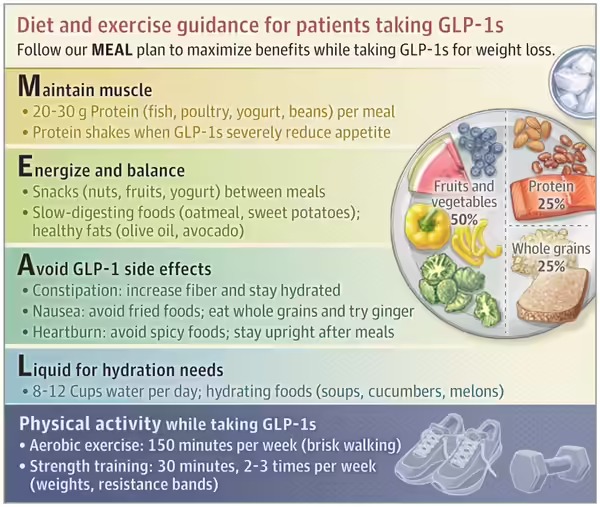
These habits are not temporary. They are the foundation that decides whether weight stays stable or returns once medication is stopped.
Ozempic works on appetite and digestion only while it is present in the body. Once it is stopped, hunger signals and eating patterns often return to how they were before. Many people notice that they feel hungry more often and portions slowly increase. Without awareness, this can lead to gradual weight regain.
From a clinical dietitian’s perspective, this is a common pattern I see. When weight loss depends mainly on appetite suppression and not on habit change, the body naturally tries to return to its earlier balance. This occurrence does not mean the medicine failed. It means the body needs support through food choices, movement and routine to maintain results.
This is why lifestyle habits matter more after stopping Ozempic. Balanced meals, adequate protein, regular activity and mindful eating help prevent rapid weight regain. Medicines can support the process but long-term weight control always depends on daily habits rather than injections alone.
Natural ways to improve insulin sensitivity without injections
From my view as a dietitian, improving insulin sensitivity naturally can help both blood sugar and healthy weight management.
Here are simple factors that matter most:
- Focus on whole foods like vegetables, lean protein and fiber-rich grains
- Maintain regular physical activity to help muscles use glucose better
- Avoid very high sugar and refined food patterns
- Stay hydrated and get adequate sleep
Even small consistent changes in these areas can improve appetite control and metabolism over time without depending on medicine alone.

Dietitian’s Desk
Medicines like Ozempic have brought a lot of attention because they affect appetite and digestion. For some people especially those with type 2 diabetes, this support can be helpful when used under proper medical care.
At the same time, it is important to understand that no injection can replace daily habits. Long-term weight control depends on food quality, regular movement, muscle health, sleep and consistency. Medicines may support the process but they do not change the root cause on their own.
My advice is always simple. Before considering any medicine, understand how it works, what it can and cannot do and what role lifestyle still plays. Clarity leads to better decisions and better health outcomes.

Disclaimer:
This content is shared for general awareness and educational purposes only. It does not replace medical advice, diagnosis or treatment. Ozempic is a prescription medicine and should only be used under the guidance of a qualified healthcare professional. Individual needs and responses may vary. Always consult your doctor or registered dietitian before starting or stopping any medication.
FAQs
What is Ozempic used for?
Ozempic is a prescription medicine mainly used to manage blood sugar levels in adults with type 2 diabetes. It may also support weight loss when combined with diet and lifestyle changes.
Is Ozempic approved for weight loss?
Ozempic was developed for diabetes management. Weight loss is a secondary effect seen in some people. It is not primarily a weight loss medicine.
How does Ozempic help with weight loss?
Ozempic works by reducing appetite and slowing digestion. This helps people feel full sooner and eat less over time.
Is Ozempic for weight loss safe?
Safety depends on individual health conditions. Ozempic should only be used under medical guidance. Not everyone is suitable for this medicine.
What are the common side effects of Ozempic?
Some people may experience nausea, diarrhea, stomach pain, constipation or vomiting. These effects vary from person to person.
What happens if you stop taking Ozempic?
After stopping Ozempic, hunger may return and weight regain can happen if healthy habits are not maintained.
Can Ozempic cause long-term weight loss?
Long-term weight loss depends on lifestyle habits. Ozempic may support the process but does not replace healthy eating and regular activity.
Who should not use Ozempic?
People with certain medical conditions or those advised otherwise by a doctor should avoid using Ozempic. A healthcare professional should decide suitability.
What is the cost of Ozempic in India?
Ozempic is available in India by prescription and the cost can vary based on dose and availability. Prices may change over time.
Is Ozempic better than diet and exercise?
Ozempic does not replace diet and exercise. Healthy eating and physical activity remain the foundation of long-term weight management.

🎯 10+ years of Experience
🎓 10k+ Trained ( 📍 Jaipur )
💪 Helping change people’s lives
🌿 Most trusted lifestyle counselor