


Table of Contents
Intermittent fasting for weight loss has become one of the simplest and most effective habits that I teach my students. I love this method because it focuses on the timing of meals instead of strict dieting. When my students follow the fasting window I give them, their body naturally starts burning stored fat and their energy improves without feeling restricted. In this guide I am sharing the same approach that I use in my programs to help people get real results.
What is intermittent fasting?
Intermittent fasting is basic. It is an eating pattern where I teach my students to eat during a fixed window and allow the body to stay in a fast for the remaining hours. I always explain to them that IF is not about skipping food. It is about allowing the body enough time to use what it has stored.
Here are some popular methods of IF:
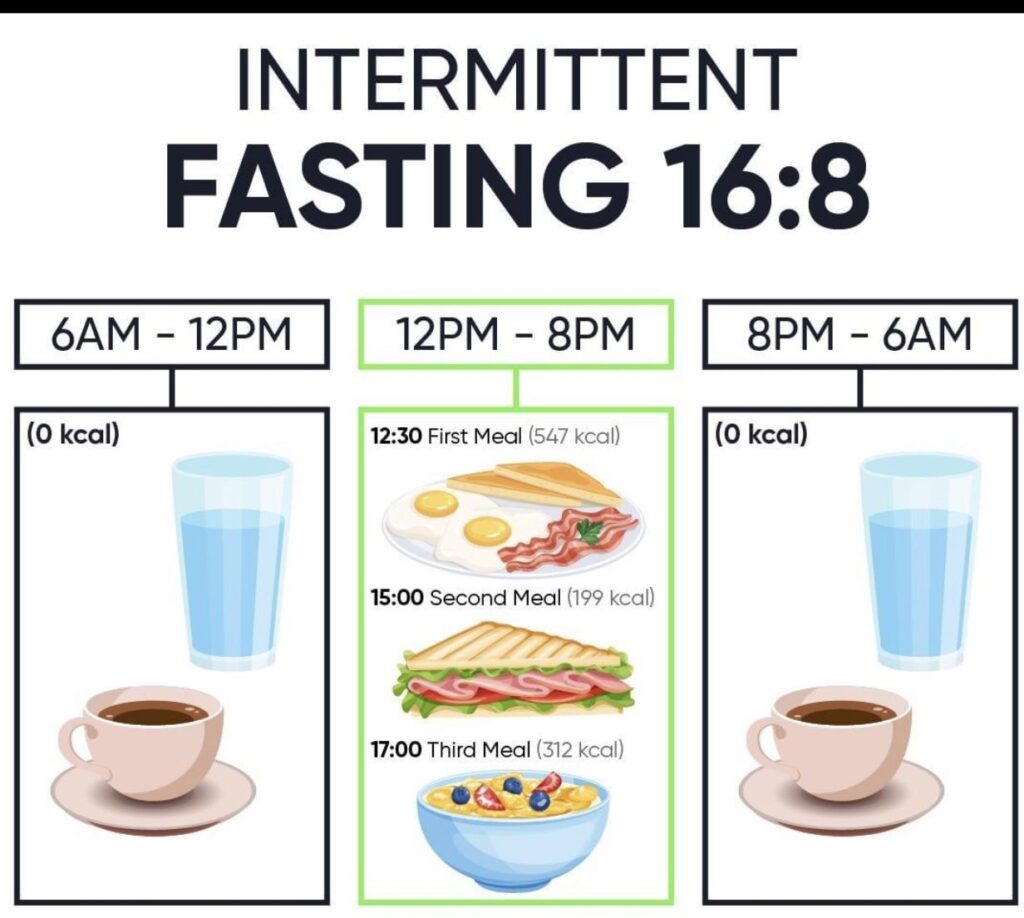
- 16/8 method: The 16/8 method involves consuming food within an 8-hour window each day and abstaining from food for the remaining 16 hours.
- 5:2 diet: This method allows you to eat normally for 5 days of the week, while restricting your calorie intake to 500-600 calories on the other 2 days.
- Eat-Stop-Eat: The Eat-Stop-Eat method involves abstaining from food for an entire 24-hour period, once or twice a week.
The Science Behind Intermittent Fasting
Research suggests that IF can have a profound impact on your cellular and hormonal health.
Studies have shown that
- Cellular Cleanliness: Studies like one by Chung et al. (2019) suggest that IF can trigger autophagy, a cellular cleansing process that removes damaged cells and promotes regeneration. This may contribute to anti-aging benefits.
- Improved Blood Sugar Control: A review by Yuan et al. (2022) indicates that IF can improve insulin sensitivity and blood sugar control in individuals with impaired glucose metabolism. This is particularly promising for those with prediabetes or type 2 diabetes.
- Reduced Inflammation: Research by Wang et al. (2020) suggests that IF may help reduce chronic inflammation, a risk factor for various diseases.
- Hormonal Regulation: Studies like one by Hollstein et al. (2022) show that IF can influence hormones like ghrelin, which regulates hunger, and IGF-1, which plays a role in growth and metabolism.
Important Note: These studies highlight the potential benefits of IF, but more research is needed to fully understand its long-term effects.
Intermittent Fasting: A Proven Strategy
Numerous studies, including one by Welton et al. (2020), support the effectiveness of IF for weight loss. Here’s how it works:
- Calorie Restriction: By limiting your eating window, you naturally consume fewer calories overall, which can lead to weight loss.
- Increased Fat Burning: Research by Gotthardt et al. (2016) suggests that IF may promote fat burning while preserving muscle mass.
- Appetite Regulation: Studies like one by Schubert et al. (2017) show that IF can help regulate appetite hormones like ghrelin, potentially leading to reduced hunger.
Remember: Weight loss is a multifaceted process. Combining IF with a healthy diet and regular exercise can maximize your results.
Beyond Weight Loss: Additional Benefits of IF
The potential benefits of IF extend beyond weight loss.
Studies indicate potential benefits for
- Improved Brain Health: A study by Baik et al. (2020) indicates that IF may promote neurogenesis, the growth of new brain cells.
- Reduced Risk of Chronic Diseases: Studies like one by Yang et al. (2021) suggest that IF may improve risk factors associated with chronic diseases like heart disease and type 2 diabetes.
Disclaimer: It’s important to consult your doctor before starting any new diet plan, especially if you have any underlying health conditions.
Intermittent Fasting for Indians
Indian eating habits make intermittent fasting a breeze to follow. Most of my students eat homemade food with dal, sabzi, roti, rice, and curd. These meals perfectly fit in with IF.
Understanding Indian Meal Structure
Indian cuisine is rich in diverse flavors and nutrients. A typical Indian meal often includes a balance of carbohydrates (rice, roti), proteins (lentils, paneer), and healthy fats (ghee, coconut oil). This foundation makes it relatively easy to adapt IF to suit Indian tastes.
Adapting IF to Indian Cuisine
The 16/8 method is a popular choice for Indians due to its flexibility. By fasting from dinner to lunch, you can align your fasting period with cultural eating habits.
- Sample 16/8 Meal Plan:
- Fasting period: 8 pm to 12 noon
- Eating window: 12 noon to 8 pm
- Lunch: Brown rice, lentil soup (dal), vegetable curry, yogurt
- Evening snack: Almonds or a fruit
- Dinner: Roti, chicken curry, green vegetables
Other IF Methods for Indians: While the 16/8 method is common, you can also explore:
- 5:2 diet: Restrict calories to 500-600 on two non-consecutive days.
- Eat-Stop-Eat: complete fasting for an entire day, once or twice a week.
Tips for Success:
- Incorporate whole grains, legumes and lean proteins into your diet.
- Stay hydrated throughout the day.
- Listen to your body and adjust accordingly.
By understanding your body’s needs and preferences, you can create a personalized IF plan that suits your lifestyle and dietary habits.
Safety and Side Effects of IF
In the beginning some students experience
Mild headache
Tiredness
Irritation
Low focus
I explain to them that this is normal because the body is adjusting from sugar burning to fat burning. Most of these symptoms go away in a few days. When students drink more water and eat balanced meals, these effects reduce faster.
If anyone faces strong discomfort, I adjust their plan and ask them to check with their doctor.
Who Should Avoid Intermittent Fasting?
Although IF can be advantageous for some, it’s worth considering individual circumstances. The following groups should avoid it:
- Pregnant or breastfeeding women: Their nutritional needs are significantly different.
- Individuals with eating disorders may find that intermittent fasting (IF) triggers unhealthy eating patterns.
- People with certain medical conditions: Consult your doctor if you have diabetes, hypoglycemia, or other health concerns.
- Children and adolescents: Their bodies are still developing, and they require consistent nutrient intake.
Dietitian’s Desk

Intermittent fasting for weight loss is one of the simplest and most natural methods I use to help my students burn fat and improve health. The results come from consistency and proper guidance. When my students follow the plan with clean eating and hydration, they get steady and long-lasting changes. I always remind them to listen to their body and take medical advice if they have health conditions. With the right approach, fasting becomes a lifestyle and not just a diet.
FAQs
Is IF suitable for everyone?
No, intermittent fasting is not suitable for everyone. Consult your healthcare provider to determine if it’s right for you.
Can I break my fast with a cheat meal?
While occasional indulgences are okay, consistent cheat meals can hinder your progress. Focus on balanced and nutritious meals.
Is it safe to exercise while fasting?
Light to moderate exercise is generally safe during fasting periods. However, intense workouts might require additional fuel.
How long does it take to see results from IF?
Individual results from IF may vary. Some people may experience weight loss or improved health markers within a few weeks, while others may take longer.
What foods should I consume during my eating period?
Focus on whole foods, including plenty of fruits, vegetables, lean proteins, and healthy fats.
Are coffee and tea allowed during a fasting period?
Yes, black coffee or tea without added sugar or cream is generally allowed during fasting periods.

🎯 10+ years of Experience
🎓 10k+ Trained ( 📍 Jaipur )
💪 Helping change people’s lives
🌿 Most trusted lifestyle counselor