


Table of Contents
Winter always feels special to me. I enjoy warm clothes and the quiet of cold mornings. At the same time, I know that our bodies need more care this season. As a dietitian, I see many people fall sick during the winter because they do not choose the right winter foods. Your body stays warm and your immunity is strengthened when you eat the best winter foods. This guide will help you understand what to eat and drink during cold days so that you stay healthy and active.
Winter is here, and with it comes the joy of cozy sweaters, snuggling under warm blankets, and savoring comforting hot meals. But along with the season’s charm, winter also brings challenges like a drop in immunity, dry skin, and seasonal laziness. Add in the indulgence of holiday goodies and fewer outdoor activities, and staying healthy during winter can feel like a challenge.
This is where the importance of a balanced diet tailored to the season comes in. By consuming the right foods, you can boost your immunity, maintain your energy levels, and keep your body healthy. In this guide, we’ll explore the importance of nutrition in winter, highlight key seasonal foods, and provide actionable tips to help you kickstart a healthy lifestyle this winter.

Why Winter Nutrition Matters
Winter brings significant changes to our body due to colder temperatures, shorter days, and reduced sunlight exposure. Here’s how these changes affect us:
- Lower Immunity: The cold weather makes us more vulnerable to colds, flu, and other illnesses.
- Dry Skin: Harsh, dry winter air strips moisture from our skin, leaving it flaky and dehydrated.
- Energy Slumps: Shorter days and less sunlight can lead to fatigue and low energy levels.
- Overindulgence: Comfort foods are tempting during winter, but overindulging can lead to weight gain and sluggishness.
Being mindful of what you eat can help counter these effects, ensuring that your body stays nourished, energized, and well-equipped to handle winter.
Key Foods for Winter
Citrus Fruits
I always rely on citrus fruits during winter because they are full of Vitamin C. Oranges lemons and tangerines help prevent infections. They also keep skin bright. I suggest starting your day with warm lemon water or eating a fresh orange between meals. Citrus fruits are simple tasty and powerful winter foods.

- Examples: Oranges, lemons, grapefruits, tangerines.
- Benefits: Citrus fruits are rich in Vitamin C, a powerful antioxidant that boosts immunity, protects against colds and flu, and helps your skin produce collagen for a radiant glow.
- How to Include: Start your day with warm lemon water, snack on fresh oranges, or add citrus segments to your salads.
Root Vegetables
Carrots sweet potatoes beets radish and turnips become sweeter in winter. They provide steady energy and are rich in antioxidants. I love roasting them or adding them to soups. These vegetables support heart health and improve skin glow. They are some of the best foods for winter.
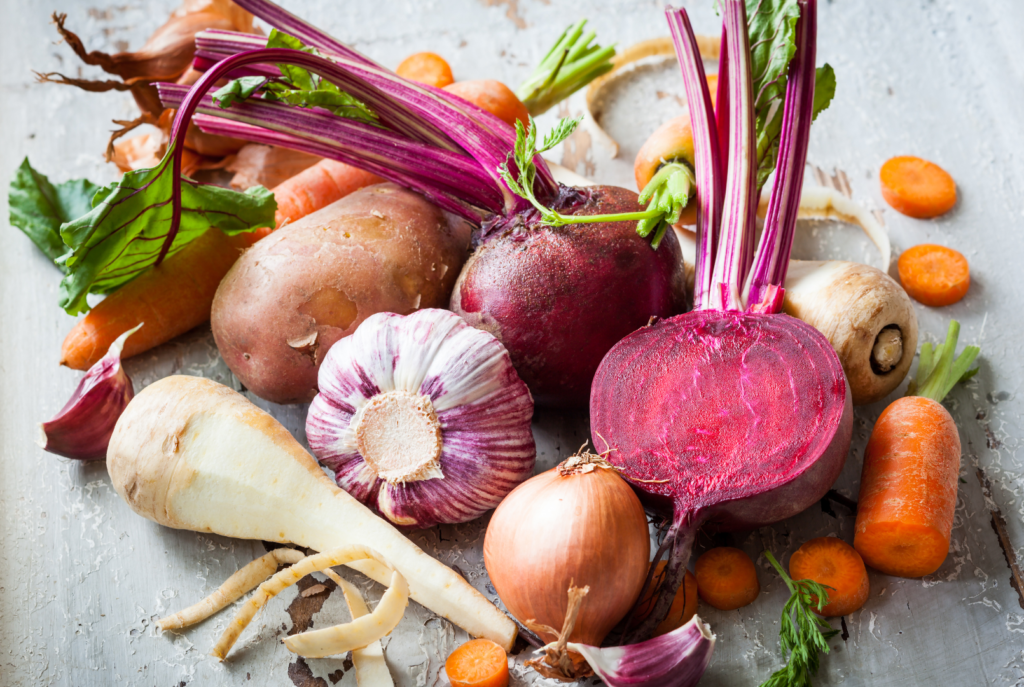
- Examples: Carrots, sweet potatoes, beets, turnips, radishes.
- Benefits: Packed with beta-carotene, potassium, and antioxidants, root vegetables strengthen your immune system, support heart health, and keep your skin healthy.
- How to Include: Roast them with olive oil and herbs, add them to stews, or blend into creamy soups.
Whole Grains
Oats quinoa barley and millets give long lasting energy. Most people feel hungry often during winter and whole grains help control this. They keep digestion smooth and maintain stable sugar levels. A warm bowl of oatmeal is my favourite winter breakfast.
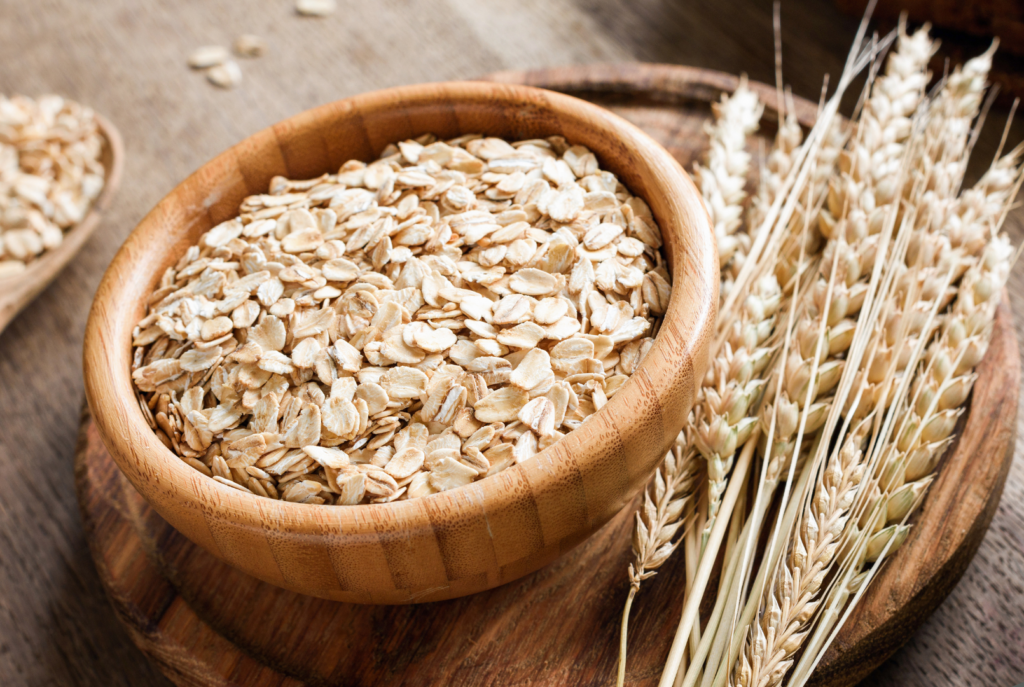
- Examples: Oats, quinoa, barley, millets.
- Benefits: Whole grains provide long-lasting energy, stabilize blood sugar levels, and are rich in fiber, aiding digestion and keeping you full.
- How to Include: Enjoy a warm bowl of oatmeal for breakfast, toss quinoa into salads, or add barley to hearty soups.
Nuts and Seeds
Almonds walnuts chia seeds and flaxseeds are the best winter foods for skin and brain health. They give healthy fats that reduce dryness and improve memory. I add nuts to porridge or eat a handful as a snack. Seeds can be mixed in smoothies or salads.
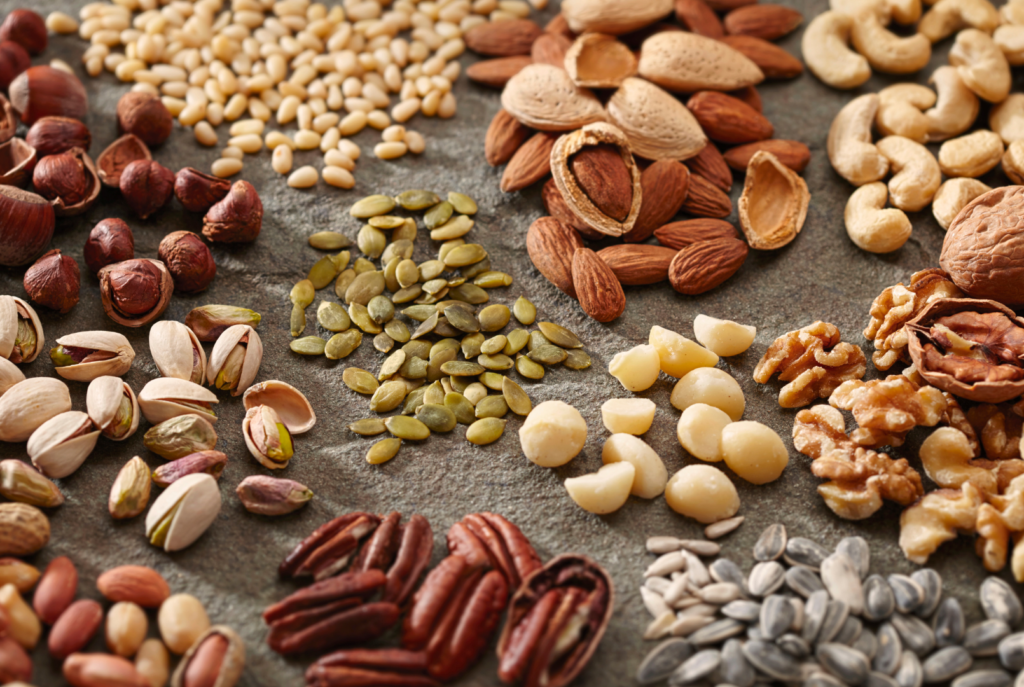
- Examples: Almonds, walnuts, chia seeds, flaxseeds.
- Benefits: These are loaded with healthy fats, Omega-3 fatty acids, and Vitamin E, which combat dry skin, support brain health, and reduce inflammation.
- How to Include: Sprinkle nuts over oatmeal or yogurt and add chia seeds to smoothies or baked goods.
Warming Spices
I use ginger turmeric cinnamon and cloves in many winter recipes. These spices improve digestion and protect the body from infections. Ginger tea is one of the best winter drinks. Turmeric in warm milk is good for immunity and sleep.

- Examples: Turmeric, ginger, cinnamon, cloves.
- Benefits: These spices improve digestion, reduce inflammation, and boost immunity. Their natural warming properties make them perfect for winter.
- How to Include: Brew a cup of ginger tea, sprinkle cinnamon on baked apples, or add turmeric to soups and curries.
Leafy Greens
Spinach mustard leaves and fenugreek leaves grow well in winter. They are rich in iron Vitamin C and Vitamin A. I add them to soups stir fry or mix them in dough for rotis. These greens help fight tiredness and support blood health.
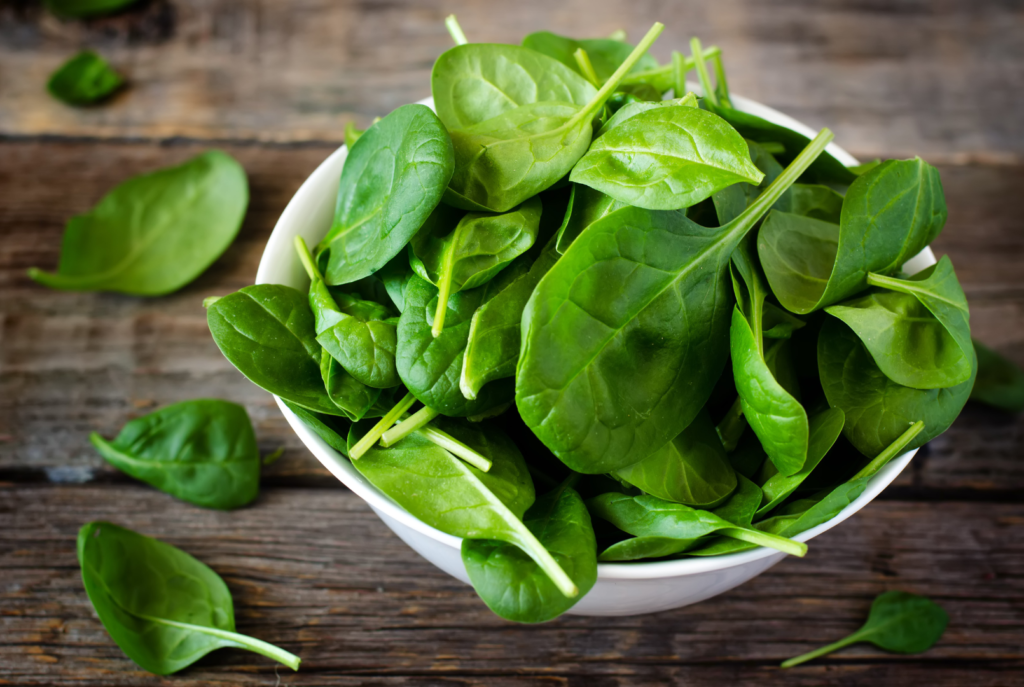
- Examples: Spinach, kale, fenugreek leaves, mustard greens.
- Benefits: Leafy greens are rich in Vitamins A, C, and iron, promoting energy, red blood cell production, and immune function.
- How to Include: Stir them into soups, blend them into smoothies, or sauté with garlic for a quick side dish.
Winter Soups and Broths
Winter soups are a complete meal. Lentil soup, chicken broth and vegetable soup keep the body hydrated and warm. I always tell my clients to enjoy one bowl of soup every day. Soup is easy to digest and full of nutrients. A simple bowl of soup can protect you from winter weakness.

- Examples: Lentil soup, chicken broth, miso soup.
- Benefits: Soups are hydrating, nourishing, and comforting during winter. They’re a great way to include protein, vegetables, and fiber in your meals.
- How to Include: Pair a bowl of soup with whole-grain bread for a complete meal or sip on bone broth as a warm drink.
Fermented Foods
Yogurt pickles kimchi and sauerkraut support gut health. A strong gut means strong immunity. Even in winter I include some form of fermented food in my diet. They improve digestion and prevent bloating.
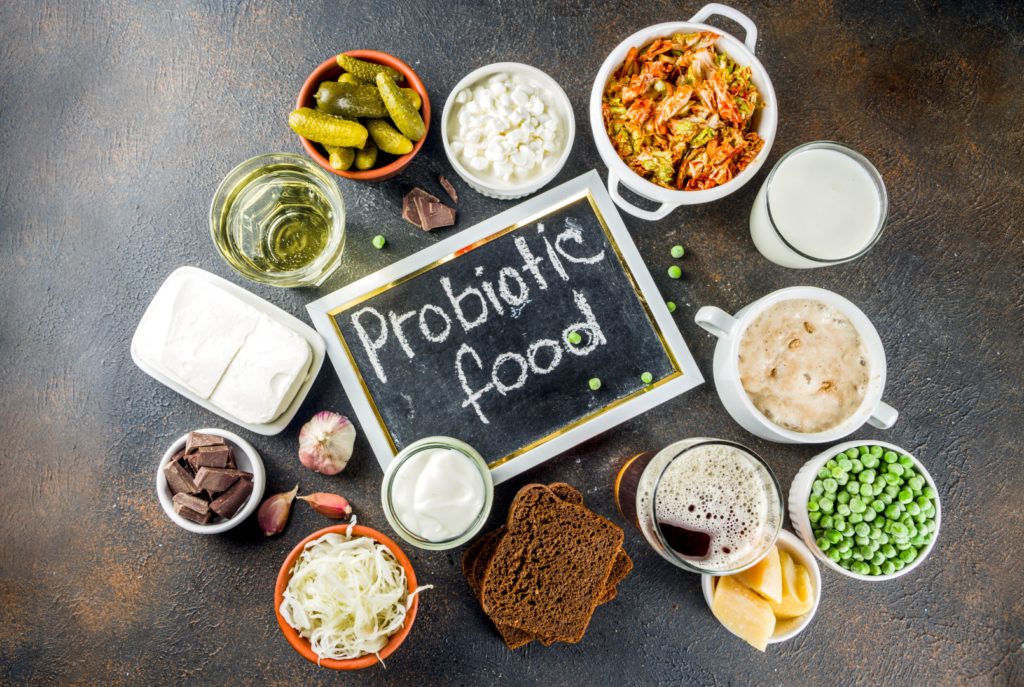
- Examples: Yogurt, kimchi, sauerkraut, pickles.
- Benefits: These foods are rich in probiotics, promoting gut health and strengthening immunity.
- How to Include: Enjoy yogurt as a snack or add fermented vegetables to stir-fries or salads.
Healthy Fats
Ghee olive oil and avocado are very important in cold weather. They keep the body warm from inside and support vitamin absorption. I use ghee in cooking and drizzle olive oil on salads. Healthy fats must be a part of your winter foods list.
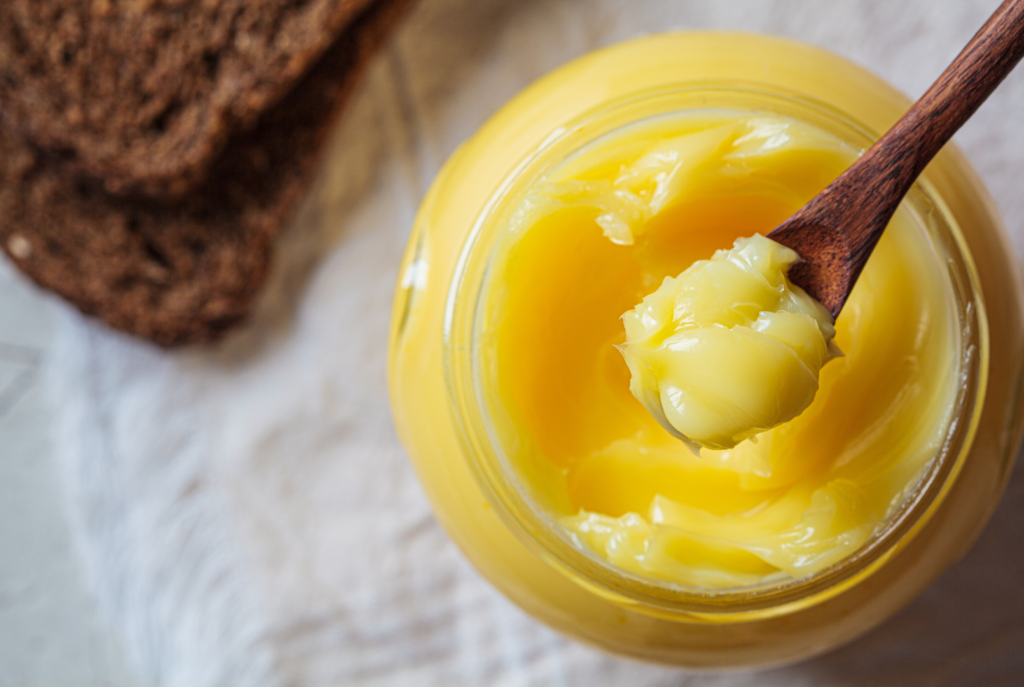
- Examples: Ghee, olive oil, avocados.
- Benefits: Healthy fats keep you warm, support skin health, and aid in the absorption of fat-soluble vitamins like A, D, E, and K.
- How to Include: Use ghee in cooking, drizzle olive oil on roasted vegetables, or add avocado to sandwiches and salads.
Winter Diet Tips
- Stay Hydrated: Winter air is dry, so it’s essential to stay hydrated. Drink plenty of warm water, herbal teas, and broths to keep your body hydrated.
- Focus on Vitamin D: Since sunlight exposure decreases in winter, include Vitamin D-rich foods like eggs, fortified milk, and fatty fish in your diet. A supplement may also be helpful if recommended by your doctor.
- Practice Portion Control: Comfort foods can be calorie-dense, so be mindful of your portions to avoid overindulgence.
- Choose Seasonal Foods: Opt for locally available vegetables like leafy greens and root vegetables for maximum freshness and nutrition.
- Embrace Warming Spices: Add spices like ginger, turmeric, and cinnamon to meals for enhanced flavor and health benefits.
- Avoid Processed Foods: Focus on whole, unprocessed foods to ensure your body gets the nutrients it needs to thrive.Looking for traditional and nutritious treats? Try these Indian winter desserts packed with warming ingredients.
- Balance Your Meals: Include protein, healthy fats, and complex carbohydrates in every meal to maintain steady energy levels throughout the day.

Common Winter Health Problems and Solutions
- Weakened Immunity
- Problem: The body is more susceptible to colds and flu.
- Solution: Include Vitamin C-rich citrus fruits, zinc-packed seeds, and warming spices like ginger and turmeric in your meals.
- Seasonal Lethargy
- Problem: Lack of sunlight and cold weather lead to fatigue.
- Solution: Consume whole grains and iron-rich leafy greens to maintain energy, and engage in light physical activity to boost your mood.
- Weight Gain
- Problem: Indulgence in calorie-rich comfort foods can lead to weight gain.
- Solution: Practice portion control. Read more on Roasted Chana’s surprising health benefits.
- Dry Skin
- Problem: Winter air causes dryness, flaking, and chapped skin.
- Solution: Eat Omega-3-rich foods like walnuts and flaxseeds, and stay hydrated with water, soups, and broths.

Get an Extra 10% Off – Fill out the Form Below!
Sample Winter Meal Plan
- Breakfast: Warm oatmeal topped with almond milk, walnuts, chia seeds, and a drizzle of honey.
- Mid-Morning Snack: A fresh orange or a handful of roasted almonds.
- Lunch: Quinoa salad with roasted root vegetables and a bowl of spinach soup.
- Evening Snack: Ginger tea with a slice of whole-grain bread.
- Dinner: Grilled salmon with sautéed kale and mashed sweet potatoes.
- Before Bed: A cup of turmeric milk (golden milk) to relax and strengthen immunity.

Dietitian’s Desk
Winter gives us a chance to nourish our body with seasonal comfort foods. When you choose the right winter foods your body feels stronger and your mood stays stable. Citrus fruits warming spices whole grains nuts seeds and winter soups are simple and healthy choices. As a dietitian I always guide people to listen to their body in this season. Warm food steady meals and fresh seasonal vegetables help you enjoy winter without sickness. When you eat mindfully and choose the best foods for winter your health stays protected. Start today and make this your healthiest winter.
FAQs
What foods boost immunity in winter?
Citrus fruits, leafy greens, nuts, seeds and spices like turmeric and ginger are excellent for boosting immunity.
Why is hydration important in winter?
Dehydration can occur due to the dry air. Drinking warm water, herbal teas and soups helps maintain fluid balance.
How can I prevent dry skin in winter?
Consume omega-3-rich foods like walnuts and flaxseeds, and stay hydrated with water and broths.
What are some healthy winter snacks?
Roasted nuts, seeds, or a fresh orange make for excellent winter snacks.
How can I boost vitamin D levels in winter?
Include Vitamin D-rich foods like eggs, fatty fish and fortified milk. A supplement may help if advised by a doctor.
Are soups a good winter meal?
Yes, soups are hydrating, warming, and an easy way to include vegetables, protein, and fiber in your diet.
What’s a good breakfast for winter mornings?
Warm oatmeal topped with nuts, seeds, and fruits is a healthy and comforting option.
Can spices really help in winter?
Absolutely! Spices like ginger, turmeric, and cinnamon improve digestion, immunity, and keep the body warm.
How can I avoid weight gain in winter?
Practice portion control, avoid processed foods, and choose nutrient-dense, home-cooked meals.
What’s a healthy winter dessert?
Cinnamon-baked apples or a small piece of dark chocolate are delicious and guilt-free winter desserts.

🎯 10+ years of Experience
🎓 10k+ Trained ( 📍 Jaipur )
💪 Helping change people’s lives
🌿 Most trusted lifestyle counselor