


Table of Contents
As a Clinical Dietitian, I use cooking oils every day in my kitchen and I also guide my clients to pick the right one at home. Cooking oil looks simple but it can support your health or slowly harm it when you choose the wrong type. In Indian homes we fry, sauté and temper food at high heat, so we must think wisely before we pick an oil for daily use.
In this guide I will share the best healthy cooking oils, the hidden harmful oils, how to store them and how to match them with Indian cooking styles. My aim is to help you make smart decisions so your heart, hormones, cholesterol and weight stay under control.
Why does cooking oil matter in our diet?
1. Energy
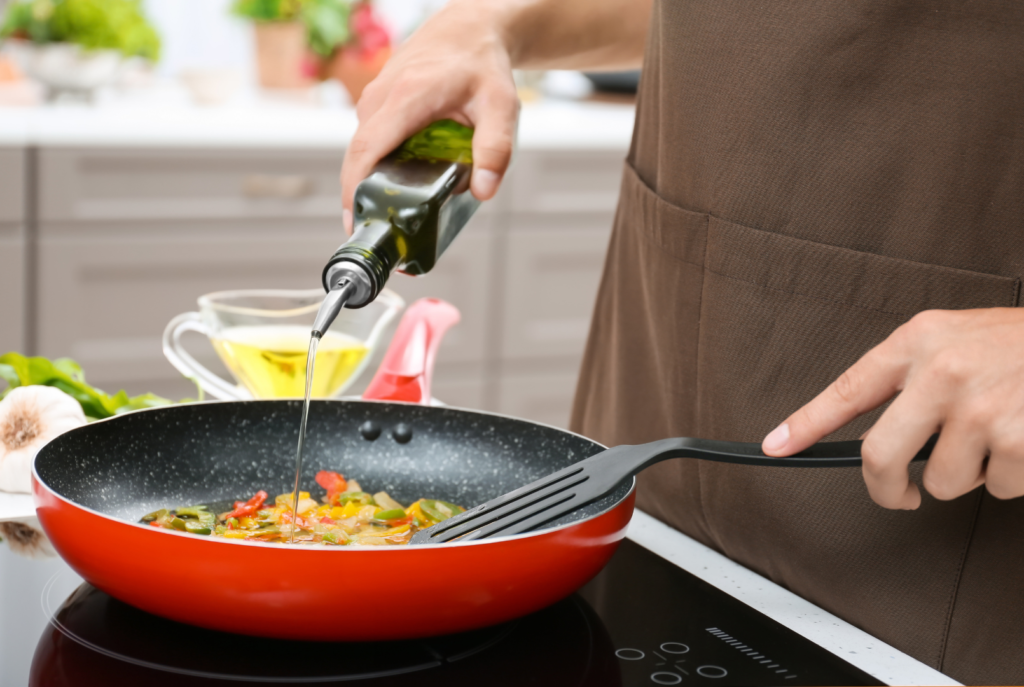
Oil gives me 9 calories per gram which is more than carbs and proteins. This helps keep energy levels steady through the day.
2. Vitamin Absorption
Important vitamins like A, D, E and K need fat to be absorbed inside the body. Without the right oil, these vitamins do not work the way they should.
3. Healthy Fats
Good oils give monounsaturated fats and polyunsaturated fats. These support heart health reduce bad cholesterol and improve good cholesterol.
- Monounsaturated fats: These fats, found in olive and avocado oil, help reduce bad cholesterol (LDL) and increase good cholesterol (HDL).
- Polyunsaturated fats: These fats, particularly omega-3 and omega-6 fatty acids, are crucial for brain health and reducing inflammation. Oils rich in omega-3, such as flaxseed oil, are particularly beneficial for maintaining the balance between these essential fatty acids.
4. Essential Fatty Acids
My body cannot make omega 3 and omega 6 so I must get them from oil and food. These support the brain heart and cell health.
5. Hormonal Health
Healthy fats keep hormones stable and support metabolic work inside the body.
6. Satiety
Oil helps me feel full and stops overeating. Even a small amount is enough when used correctly.
Understanding Oil Labels
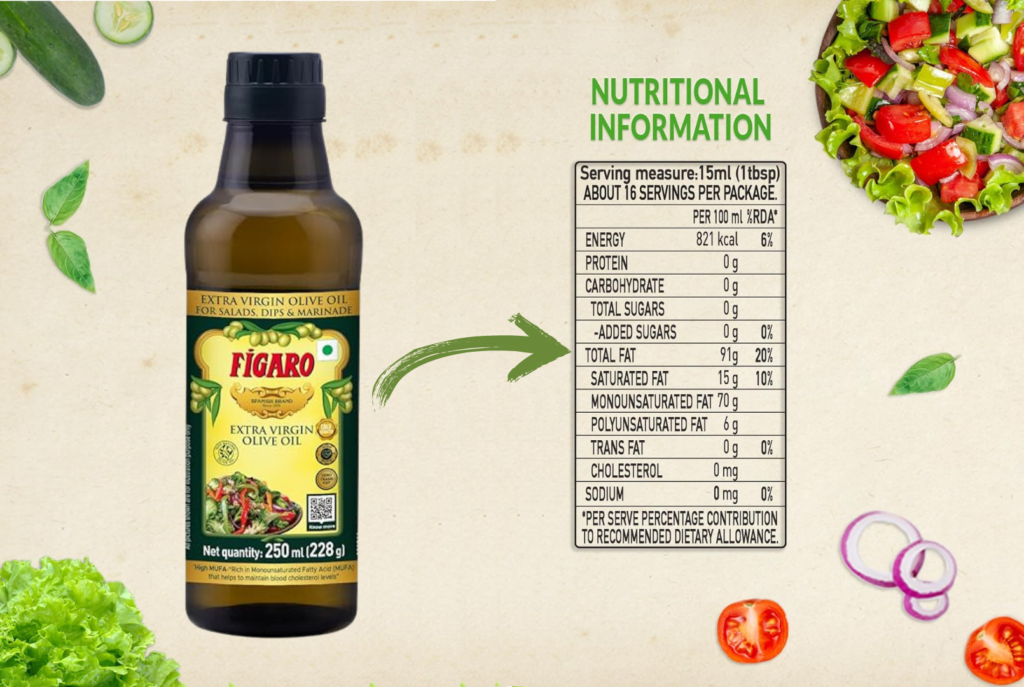
When I pick an oil, I read the label first. It tells me how that oil is made.
Cold Pressed
This means the oil is extracted without heat, so vitamins and antioxidants stay safe.
Virgin and Extra Virgin
These are less processed oils. They hold more natural nutrients.
Refined
Refined oils are processed at high heat. This removes smell and color but reduces nutrients too.
Partially Hydrogenated
I avoid these oils as they can form trans fats which are harmful for the heart.
Healthy Oils Recommended Indian Cooking
Choosing the right cooking oil isn’t just about flavor but also about health benefits, smoke points and chemical stability.
1. Extra Virgin Olive Oil (EVOO)
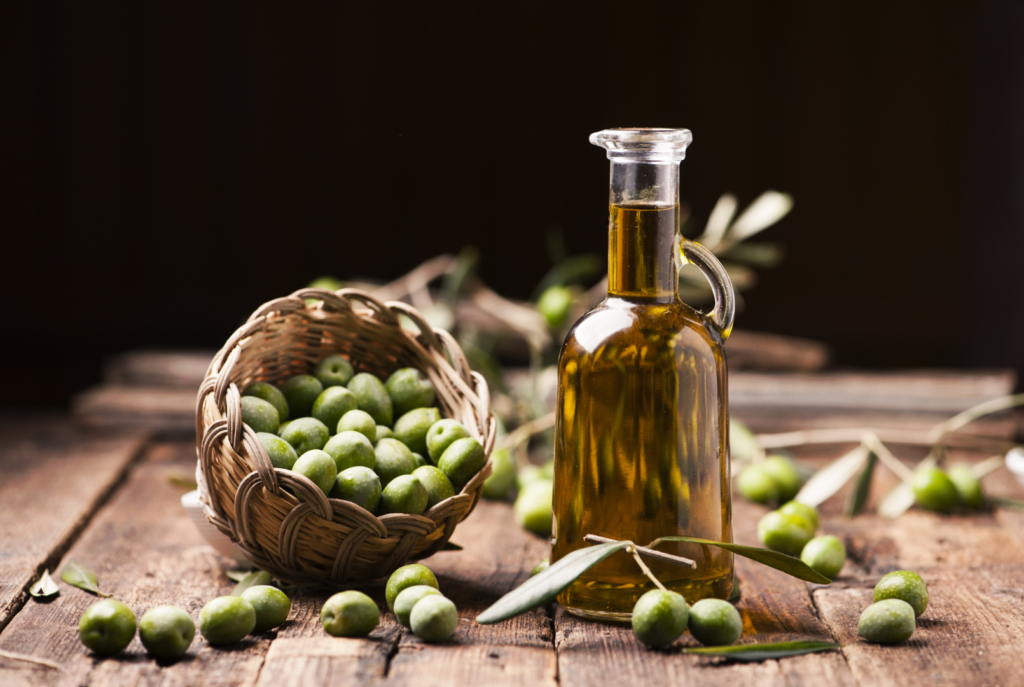
I love using extra virgin olive oil (EVOO) for cold applications, such as salads and light sautéing. It has antioxidants that support heart and brain function. I avoid using it for deep frying at high heat.
- Health Benefits: Reduces LDL cholesterol, supports brain health and has anti-inflammatory properties.
- Best Uses: Sautéing, roasting, salad dressings.
- Smoke Point: 350°F (177°C)
Pro Tip: Look for cold-pressed, unfiltered extra virgin olive oil stored in dark bottles to preserve its antioxidant content.
2. Avocado Oil for Cooking
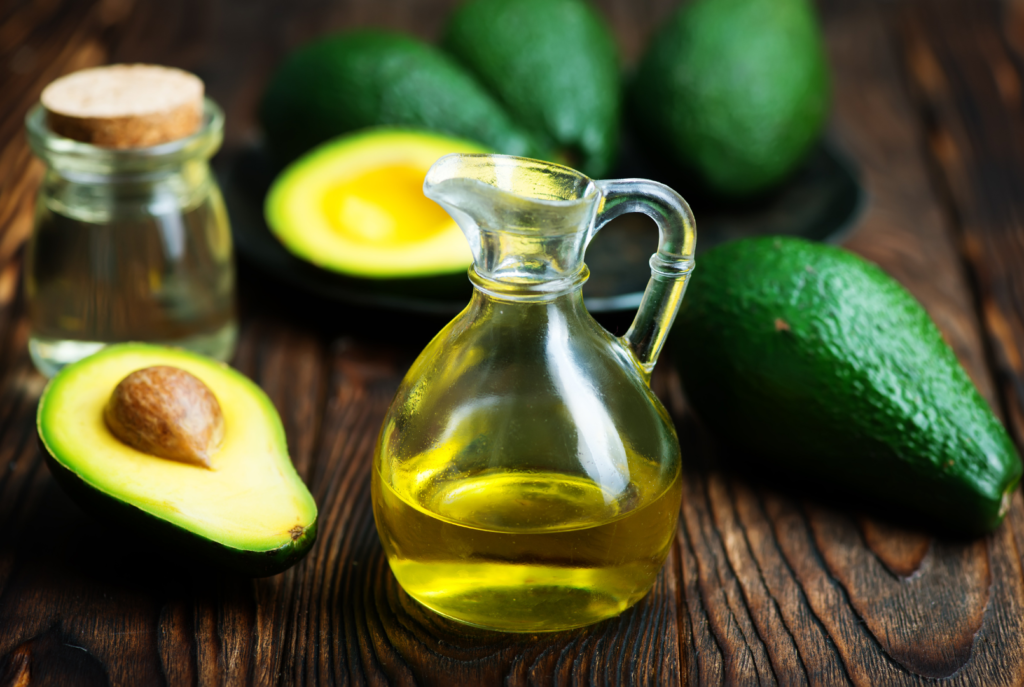
Avocado oil is rich in monounsaturated fats. It has a high smoke point, so I can use it for stir fry and roasting. It supports heart health and nutrient absorption.
- Health Benefits: Supports skin health, reduces inflammation.
- Best Uses: Stir-frying, grilling, roasting.
- Smoke Point: 520°F (271°C)
3. Walnut Oil
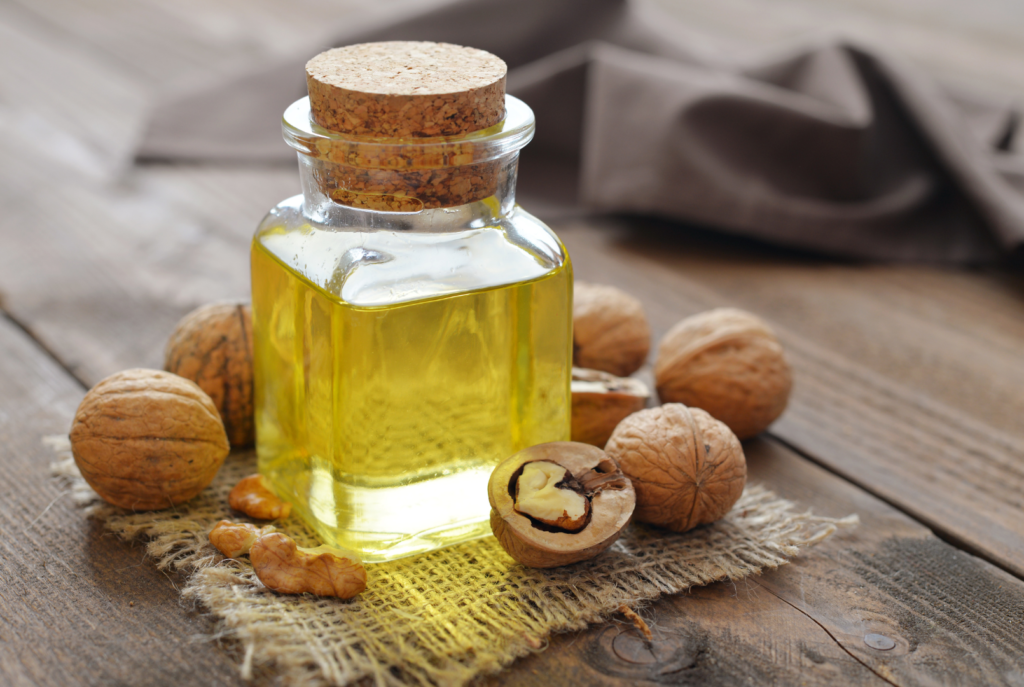
Though lesser-known, walnut oil is rich in omega-3 fatty acids, making it excellent for brain health. It’s best used in cold applications due to its low smoke point.
- Health Benefits: Brain health, anti-inflammatory.
- Best Uses: Salad dressings, drizzling over cooked foods.
- Smoke Point: 320°F (160°C)
4. Flaxseed Oil
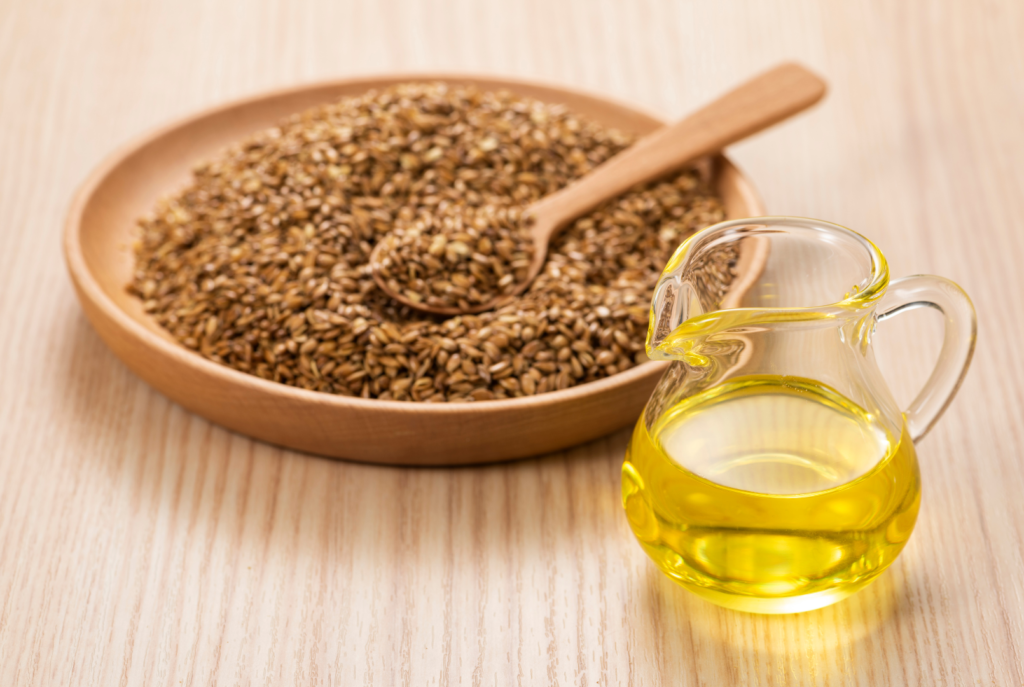
Flaxseed oil is rich in alpha-linolenic acid (ALA), a type of omega-3 fatty acid that supports heart health. This oil should not be heated due to its low smoke point but is excellent for cold applications.
- Health Benefits: Heart health, supports skin and hair.
- Best Uses: Drizzling on smoothies, salad dressings, or over cooked vegetables.
- Smoke Point: 225°F (107°C)
Pro Tip: Store flaxseed oil in the refrigerator to prevent it from going rancid quickly due to its unstable chemical structure.
5. Sesame Oil
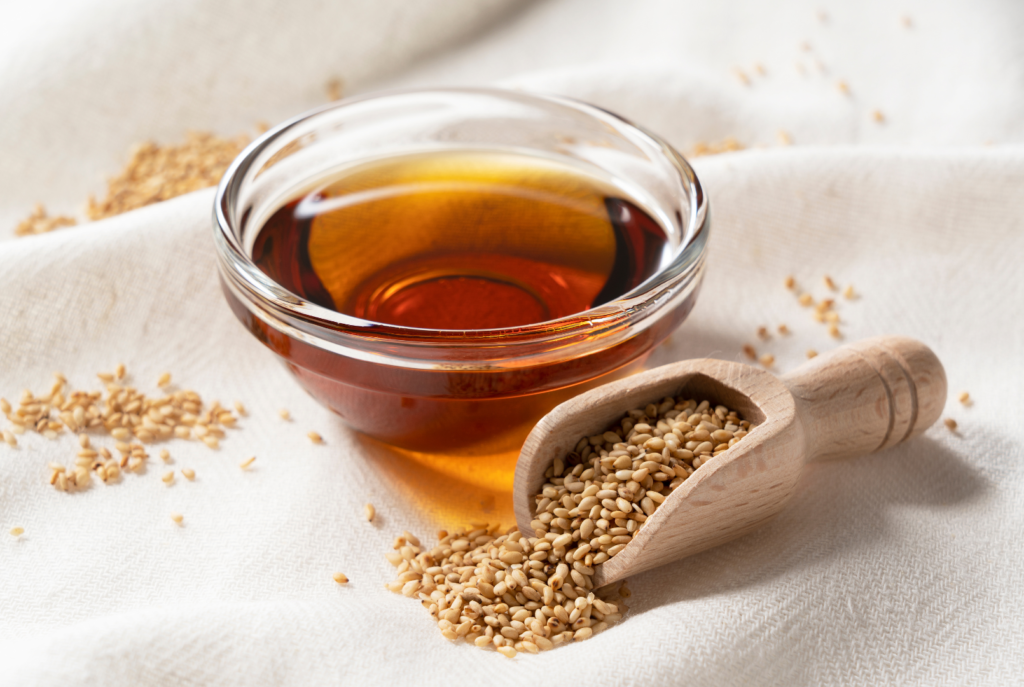
Sesame oil gives a rich taste and has natural antioxidants. It is great for stir-frying and tempering South Indian and Asian style dishes.
- Health Benefits: Antioxidant-rich, anti-inflammatory.
- Best Uses: Stir-frying, cold dishes, and dressings.
- Smoke Point: 410°F (210°C)
Get Your FREE Cooking Oil Assessment
Find out the best 2 oils for your kitchen
Based on Health Goals!
6. Canola Oil
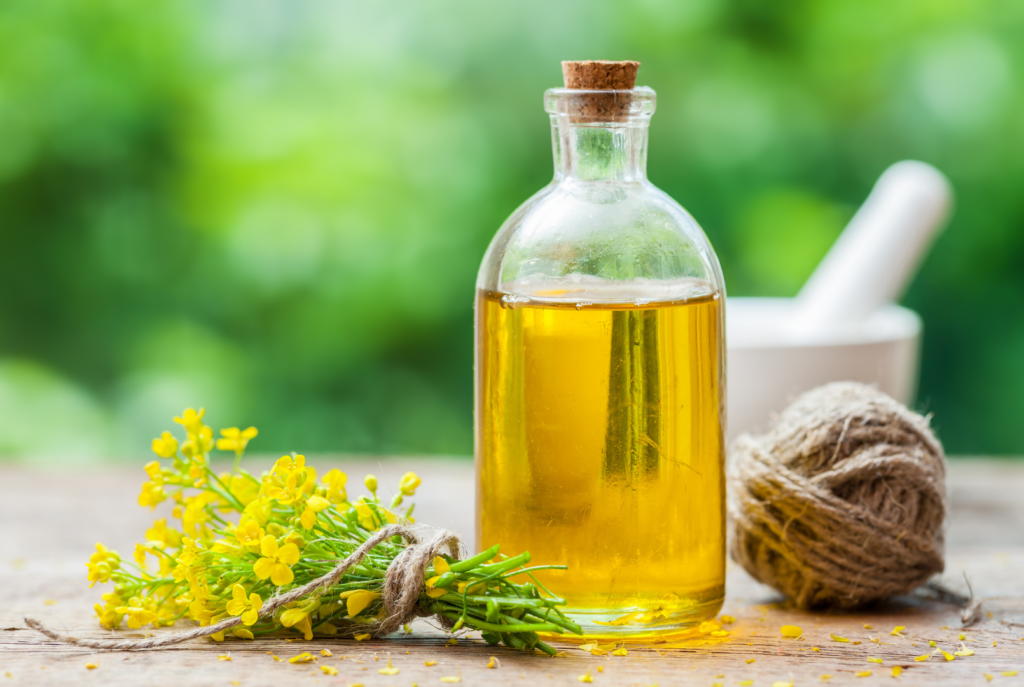
Canola oil has a favorable fat composition, being low in saturated fat and high in omega-3 fatty acids. It’s also affordable and versatile, making it a popular choice in kitchens around the world.
- Health Benefits: Lowers cholesterol, improves heart health.
- Best Uses: Baking, frying, sautéing.
- Smoke Point: 400°F (204°C)
7. Coconut Oil (In Moderation)
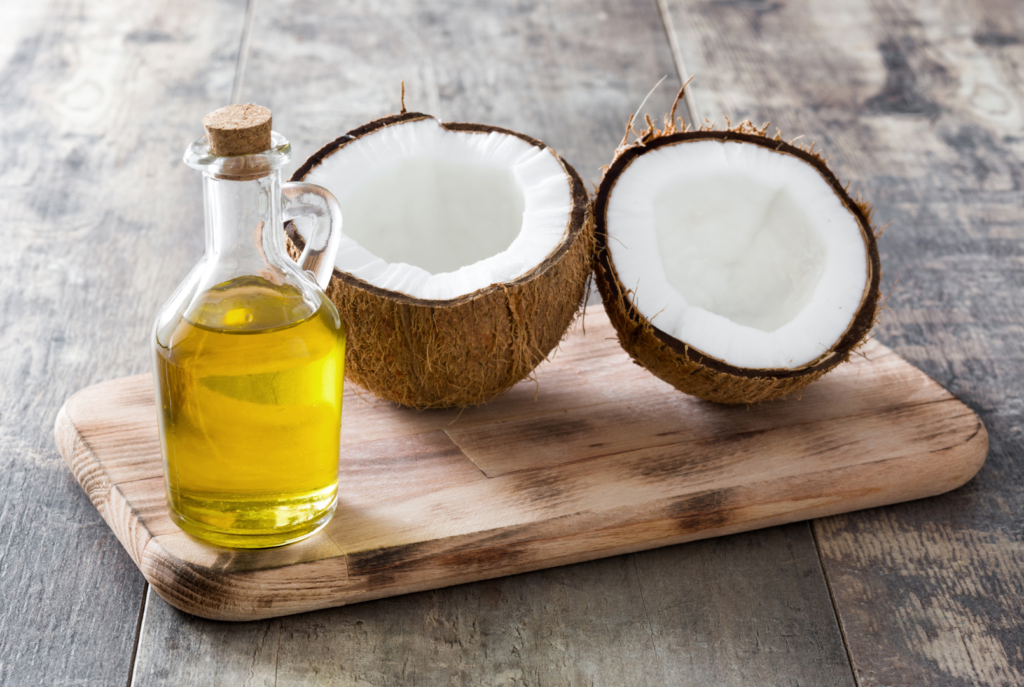
I use coconut oil in moderation. It is common in South India and it is stable at heat but it has more saturated fats so I balance it with other oils.
- Health Benefits: May support brain function and weight loss.
- Best Uses: Baking, sautéing, medium-heat cooking.
- Smoke Point: 350°F (177°C)
Hidden Harmful Oils You Must Avoid
Some oils have properties that can harm your health if consumed regularly. Here are oils you should use sparingly or avoid entirely.
1. Corn Oil
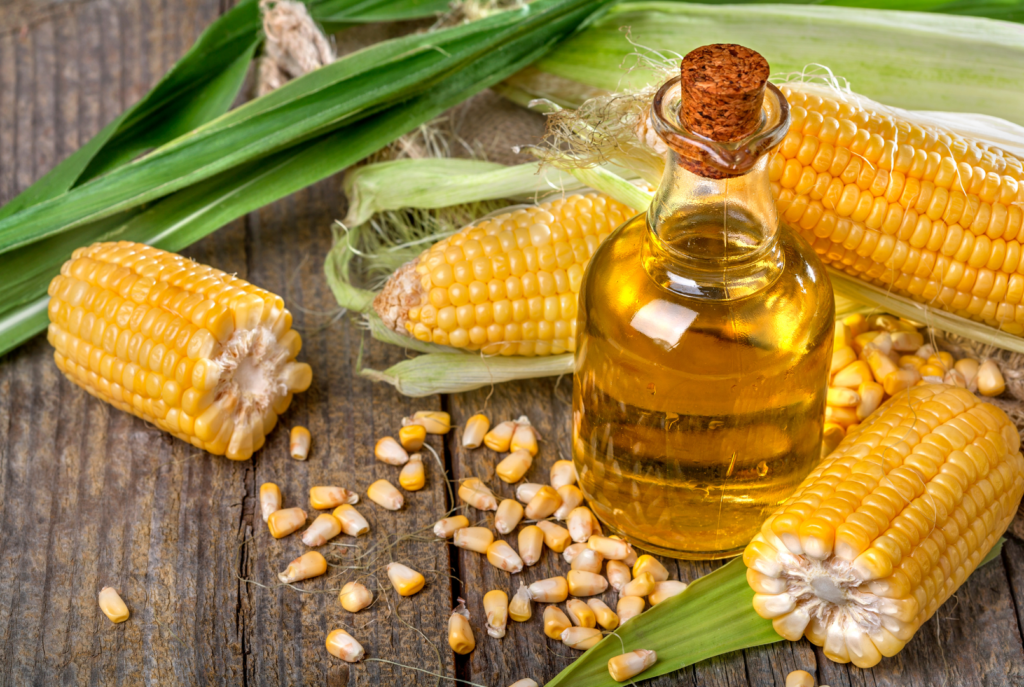
Corn oil is widely used for frying and baking but is loaded with omega-6 fatty acids, which can cause inflammation when consumed excessively. Its regular use has been linked to obesity and heart disease.
- Health Concerns: High in omega-6 fatty acids, increases inflammation and heart disease risk.
- Smoke Point: 450°F (232°C)
2. Soybean Oil
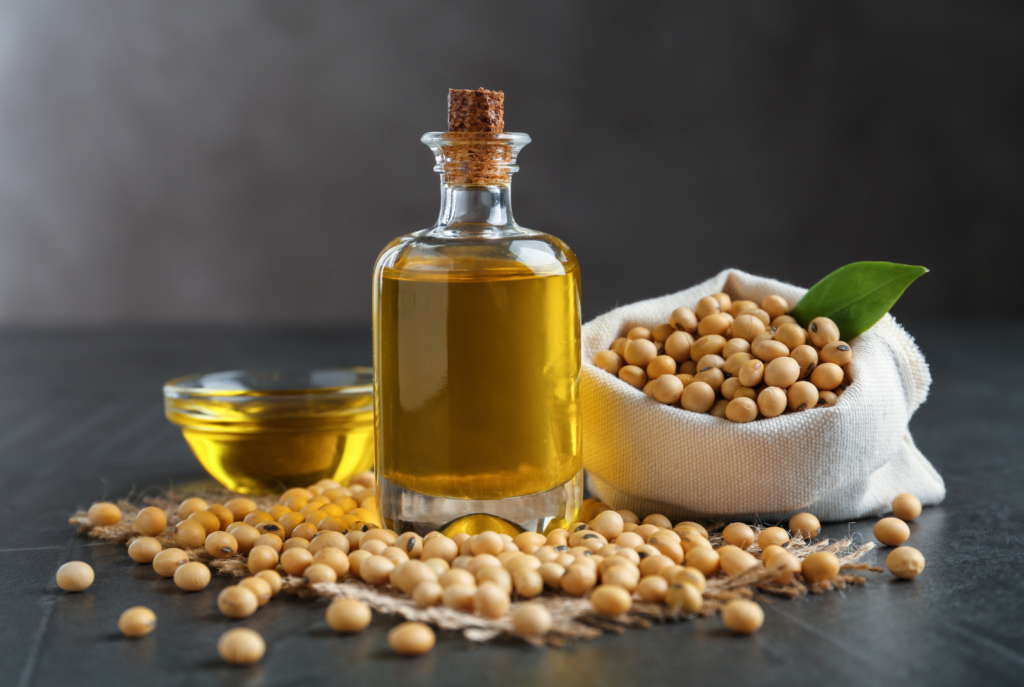
Soybean oil is cheap and commonly found in processed foods, but its high omega-6 content can lead to an imbalance with omega-3s, promoting inflammation and contributing to chronic diseases.
- Health Concerns: Rich in omega-6 fatty acids, it contributes to inflammation and heart disease.
- Smoke Point: 450°F (232°C)
3. Sunflower Oil
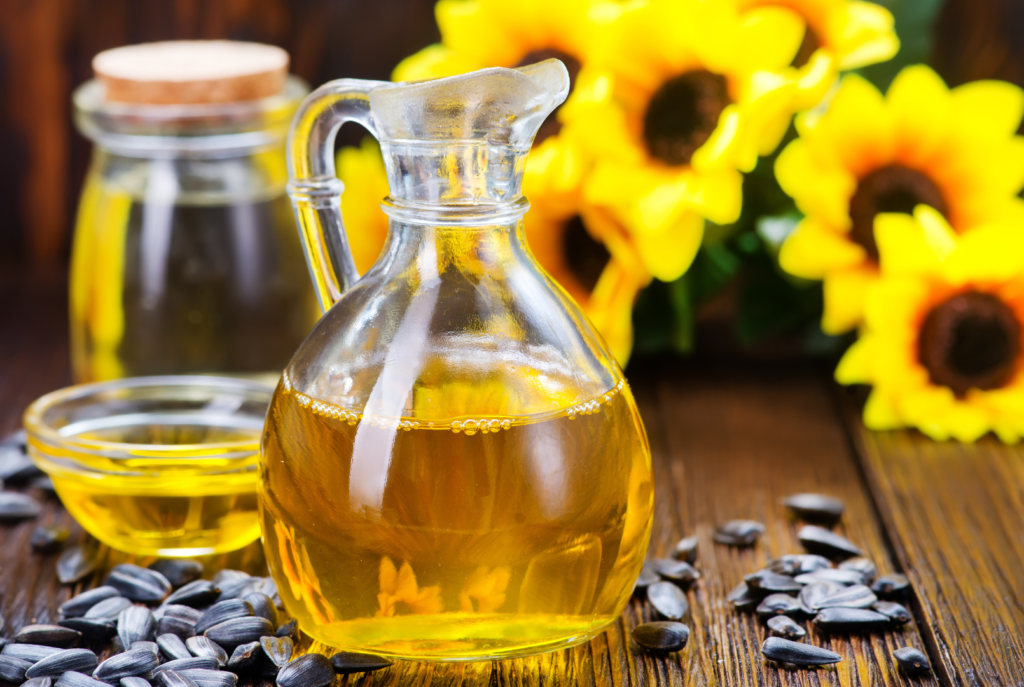
Sunflower oil contains a large amount of omega-6 fatty acids, which can disrupt the omega-3 to omega-6 ratio, leading to inflammation and increasing the risk of cardiovascular diseases.
- Health Concerns: High omega-6 content promotes inflammation and heart disease.
- Smoke Point: 440°F (227°C)
4. Palm Oil
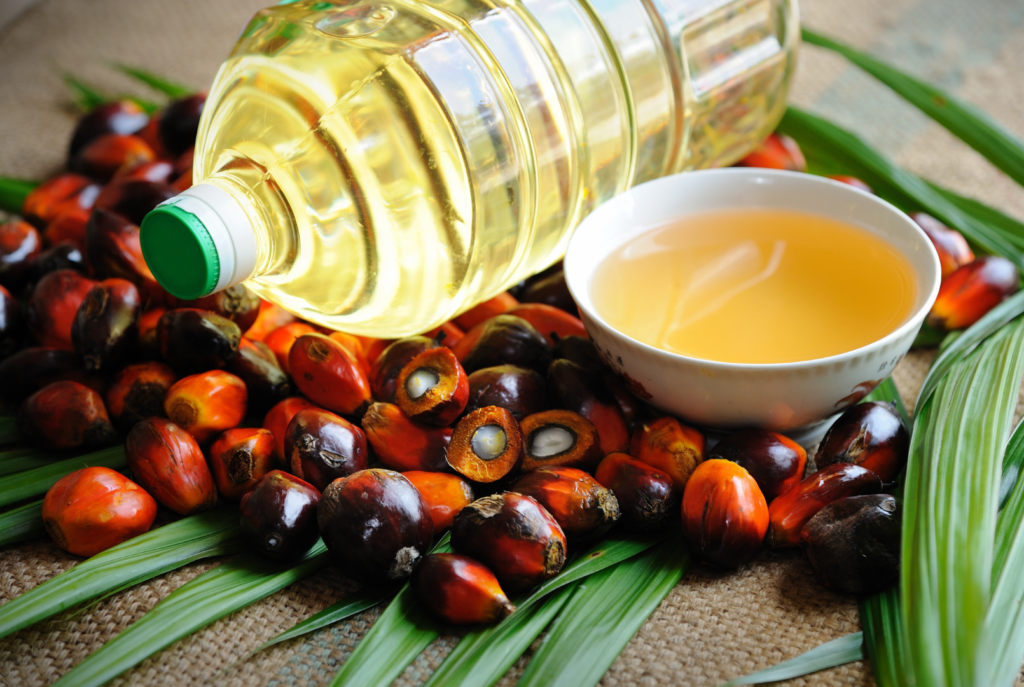
Palm oil, found in many processed foods, is high in saturated fats. Excessive consumption raises LDL cholesterol, increasing the risk of heart disease and other metabolic issues.
- Health Concerns: High in saturated fats, raises negative cholesterol, linked to heart disease.
- Smoke Point: 455°F (235°C)
5. Partially Hydrogenated Oils (Trans Fats)
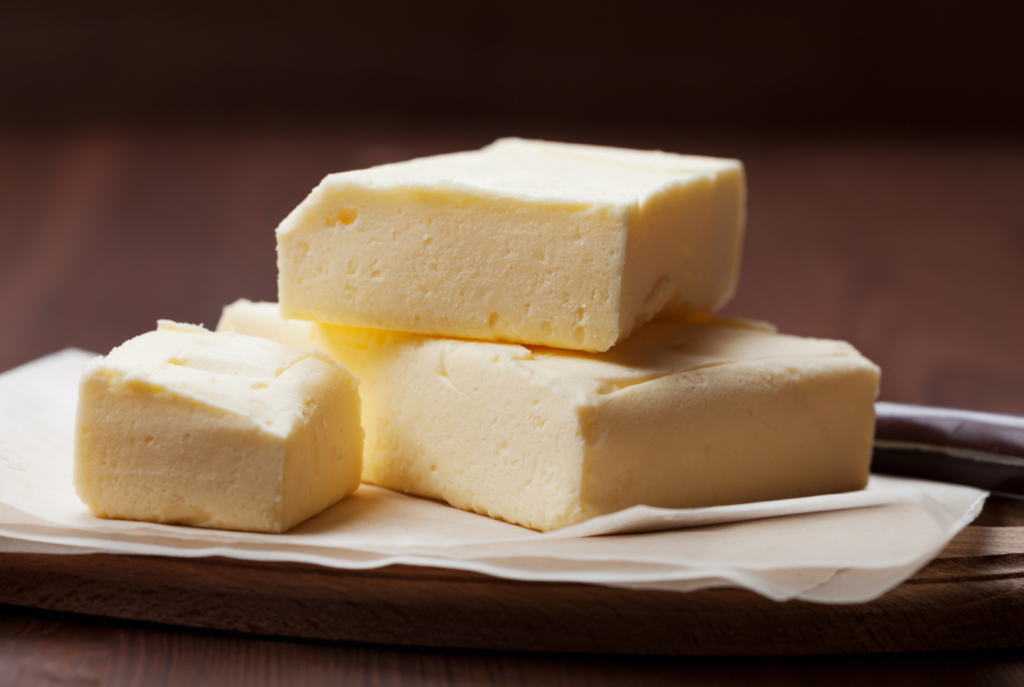
Found in processed foods like margarine and baked goods, partially hydrogenated oils are a primary source of trans fats, which severely harm heart health by raising bad cholesterol and lowering good cholesterol.
- Health Concerns: High in trans fats, increases risk of heart disease and stroke.
- Smoke Point: Varies (generally high due to processing)
6. Vegetable Shortening
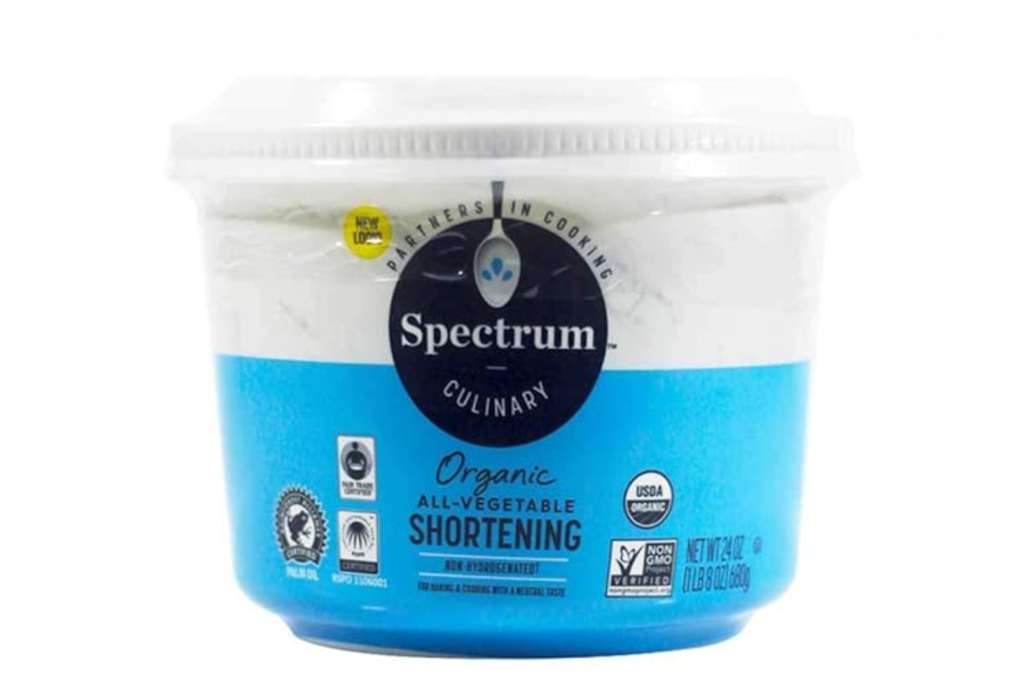
Vegetable shortening, commonly used in baking, is another major source of trans fats. It contributes to weight gain, increases bad cholesterol, and poses serious cardiovascular risks.
- Health Concerns: It contains trans fats and increases the risk of heart disease.
- Smoke Point: 360°F (182°C)
7. Cottonseed Oil
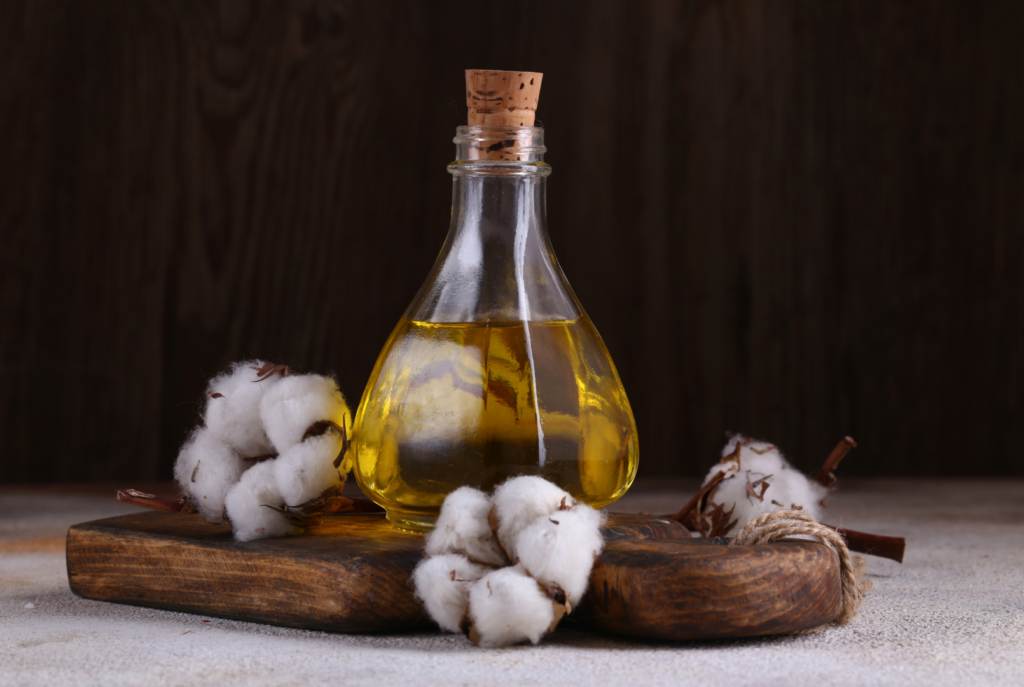
Cottonseed oil is frequently used in processed foods, but it’s heavily processed and contains high levels of omega-6 fatty acids, which can cause inflammation and long-term health issues.
- Health Concerns: High in omega-6 fatty acids, linked to inflammation and heart disease.
- Smoke Point: 420°F (216°C)
8. Canola Oil (Highly Processed)
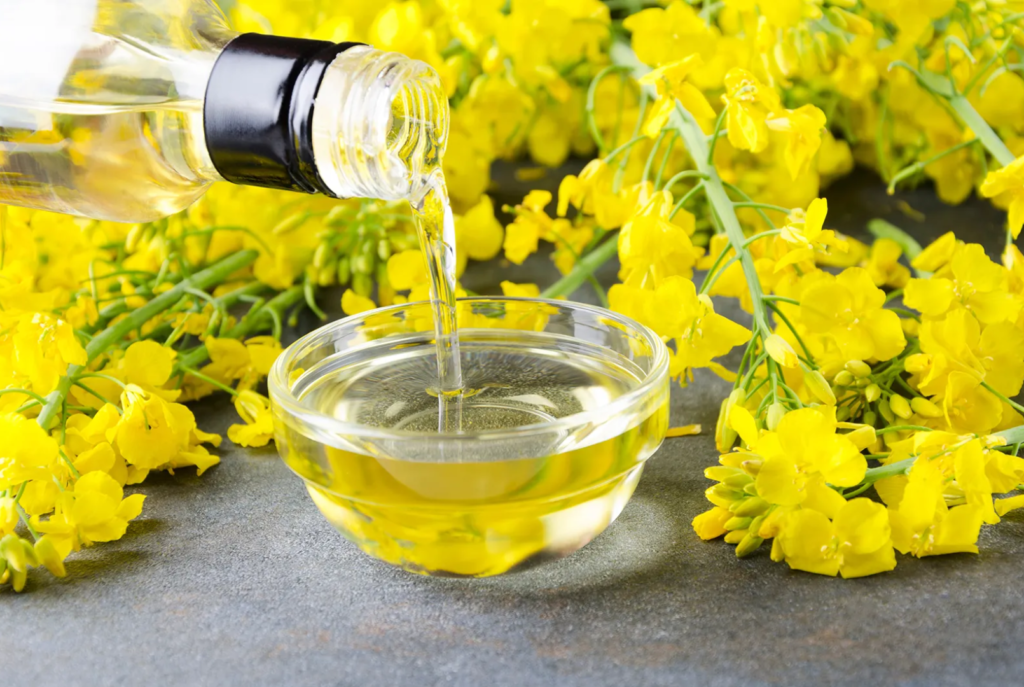
Canola oil can be beneficial in its unrefined state, but the more processed varieties frequently contain trans fats and have a lower nutrient content. These processed oils can lead to an increase in LDL cholesterol and a higher risk of heart disease.
- Health Concerns: Often contains trans fats due to processing, increases the risk of cardiovascular issues.
- Smoke Point: 400°F (204°C)
9. Grapeseed Oil
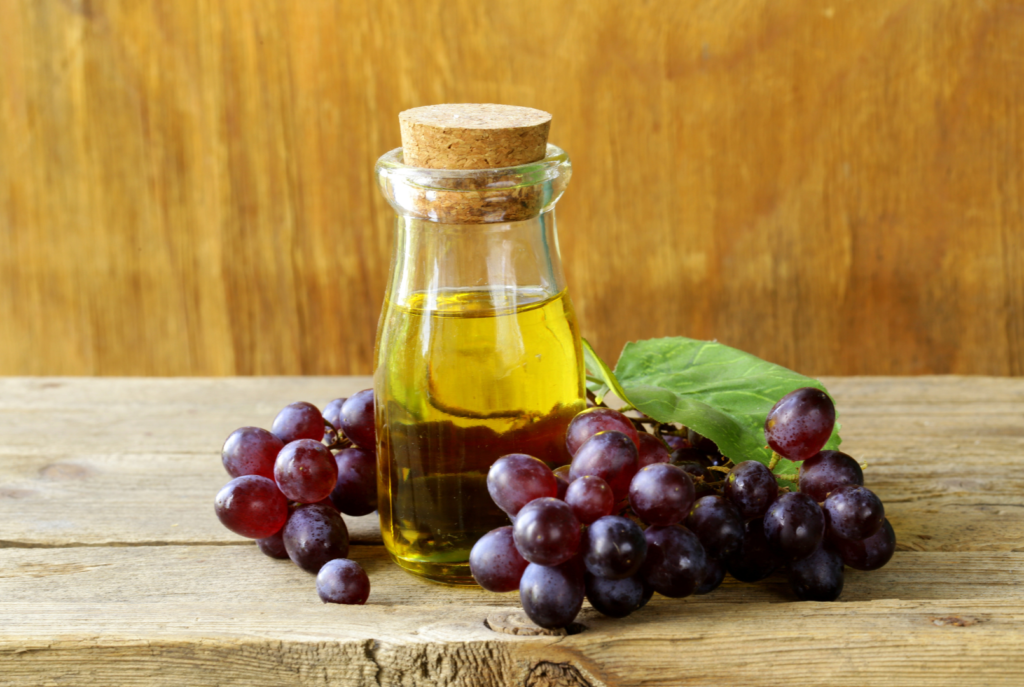
Grapeseed oil is commonly used for frying but contains high levels of omega-6 fatty acids. Excessive consumption can lead to inflammation and disrupt the balance of omega-3 and omega-6 fatty acids.
- Health Concerns: High in omega-6 fatty acids, promotes inflammation.
- Smoke Point: 420°F (216°C)
10. Rice Bran Oil
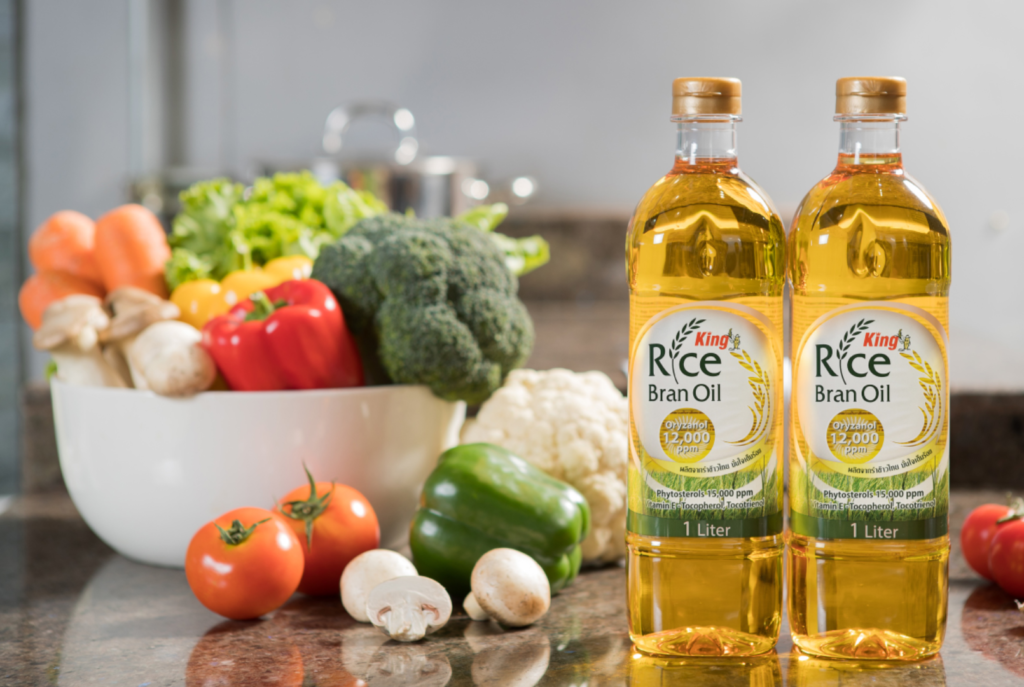
Rice bran oil is popular for frying due to its high smoke point, but it contains significant amounts of omega-6 fatty acids, which can lead to inflammation and disrupt cardiovascular health.
- Health Concerns: High omega-6 content contributes to inflammation and metabolic disorders.
- Smoke Point: 450°F (232°C)
How I Choose the Right Oil
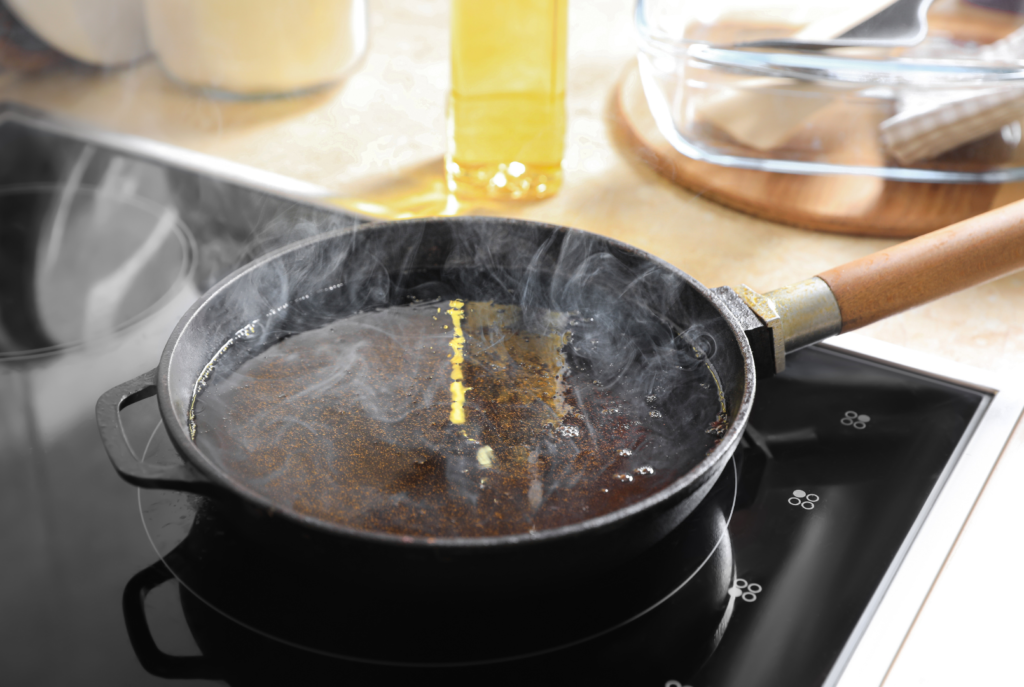
When choosing oils, I follow five simple points
- Smoke Point: The temperature at which the oil begins to burn and produce harmful compounds. Use oils with a high smoke point (like avocado or canola oil) for frying or grilling.
- Fat Composition: Opt for oils rich in unsaturated fats (like olive and walnut oil) for heart health.
- Flavor Profile: Some oils have neutral flavors (canola), while others add a distinct taste (sesame, walnut). Choose oils that complement your dish.
- Processing: Cold-pressed and unrefined oils retain more nutrients compared to those that are highly processed. Choose oils that are labeled “cold-pressed,” “virgin,” or “extra virgin.”
- Cooking Oil Storage: Proper storage of cooking oils is vital to maintain their freshness and nutritional integrity. Cooking oils should be stored in a cool, dark place away from light and heat to prevent oxidation, which can lead to rancidity. Using dark glass bottles can also help protect cooking oils from light exposure. Remember to check the expiration date and consume cooking oils within the recommended timeframe to enjoy their health benefits fully.
Healthy Cooking Oil Chart
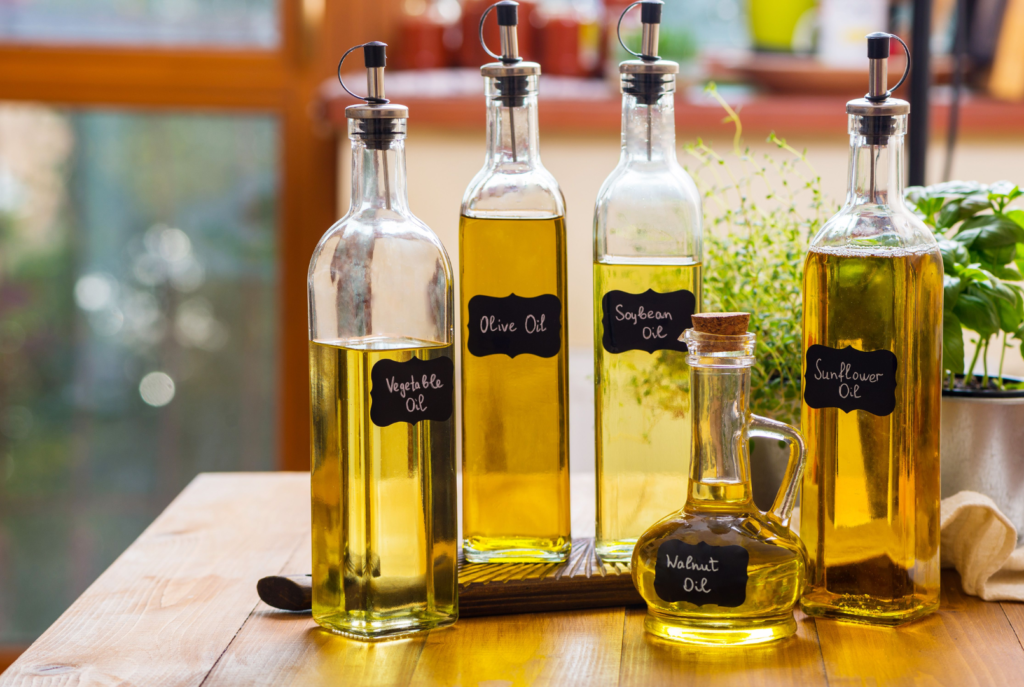
As a clinical dietitian, I understand how cooking oils can protect our health when used in the right way. The best oils support heart function, brain health, hormones, weight control and cell protection. Hidden harmful oils can slowly damage cholesterol, trigger inflammation and promote weight gain.
| Oil Name | Best Use | Health Benefit | Caution |
|---|---|---|---|
| Mustard Oil | Frying and tempering | Good omega balance | Strong smell |
| Avocado Oil | High-heat cooking | Heart-friendly | Higher price |
| Extra Virgin Olive Oil | Salad and light sauté | Antioxidants | Not for deep frying |
| Sesame Oil | Temper and stir-fry | Good antioxidants | Strong taste |
| Groundnut Oil | Deep-frying | Heat stable | Allergy risk |
| Coconut Oil | Region-based dishes | Stable at heat | High saturated fat |
My advice is simple
Pick cold-pressed oils
Rotate oils through the week
Avoid reheating and reusing oil
Use the right oil for the right cooking method
Use oil in moderation to control calories
Healthy cooking oils do not just improve taste. They build long-term health.
FAQs
When it comes to cooking oils, understanding their health implications can help you make better dietary choices. Here are some frequently asked questions about cooking oils:
1. Is coconut oil good for cooking?
Yes, coconut oil is good for cooking because it is stable at high heat. I use it in moderation because it has more saturated fat. It works very well for South Indian dishes and roasting.
2. Is mustard oil good for cooking?
Yes, mustard oil is very good for high heat Indian cooking. It has a good omega 3 and omega 6 balance. I also like it for frying and tempering because it stays stable without breaking.
3. Can olive oil be used for cooking?
I use extra virgin olive oil for light sauté and low heat cooking. It has antioxidants that support heart and brain health. I avoid deep frying with it to protect its benefits.
4. Heart-healthy cooking oil?
For heart health I recommend oils rich in monounsaturated fats. Mustard oil, avocado oil and extra virgin olive oil are my top picks. They can help manage cholesterol and inflammation.
5. What are the main types of cooking oils?
There are four main groups of cooking oils.
Fruit-based oils like olive and avocado oil. These are rich in monounsaturated fats and great for heart health.
Seed-based oils like sesame and sunflower oil. These give flavor and some antioxidants.
Nut-based oils like groundnut and walnut oil. These give healthy fats and work well at high heat.
Traditional Indian oils like mustard and coconut oil. These match local recipes and offer stability during frying.
6. Which type of cooking oil should I use daily?
I rotate between mustard olive and groundnut oil. This gives me a wider range of fatty acids and better nutrition. I avoid using only one oil for every dish.
7. Are vegetable oils safe?
Some vegetable oils are safe when they are not reused too many times. I avoid vegetable oils that are refined at high heat because they lose many nutrients.
8. What type of oil is best for high-heat cooking?
For deep frying I choose mustard oil, avocado oil and groundnut oil. They stay stable at high temperatures and do not break into harmful compounds easily.

🎯 10+ years of Experience
🎓 10k+ Trained ( 📍 Jaipur )
💪 Helping change people’s lives
🌿 Most trusted lifestyle counselor